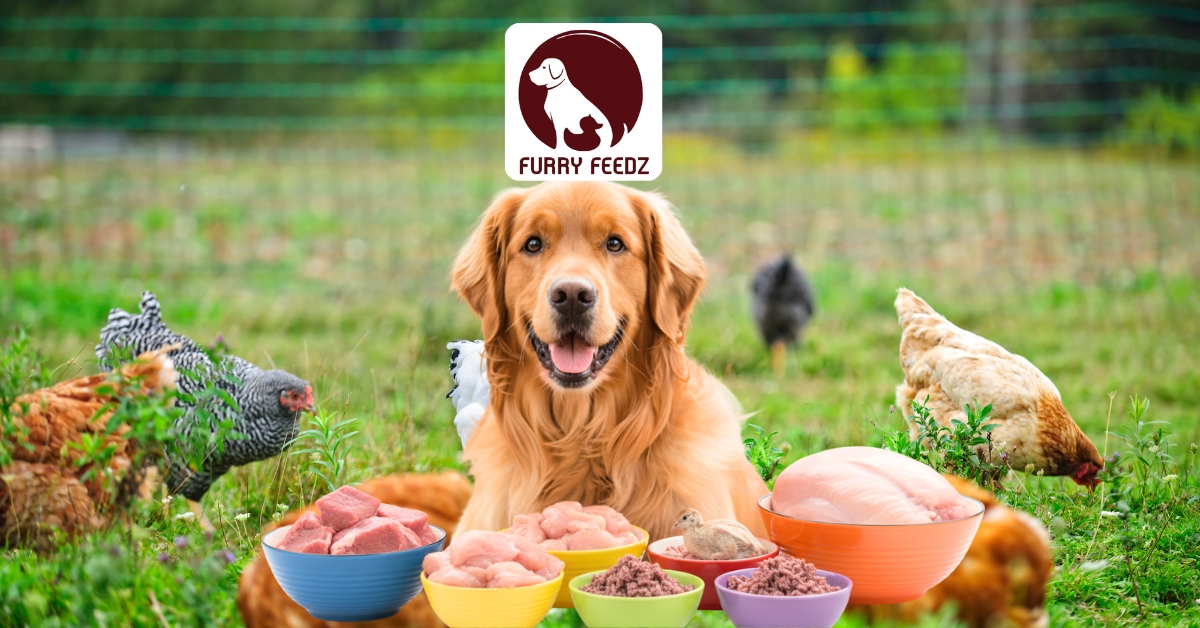
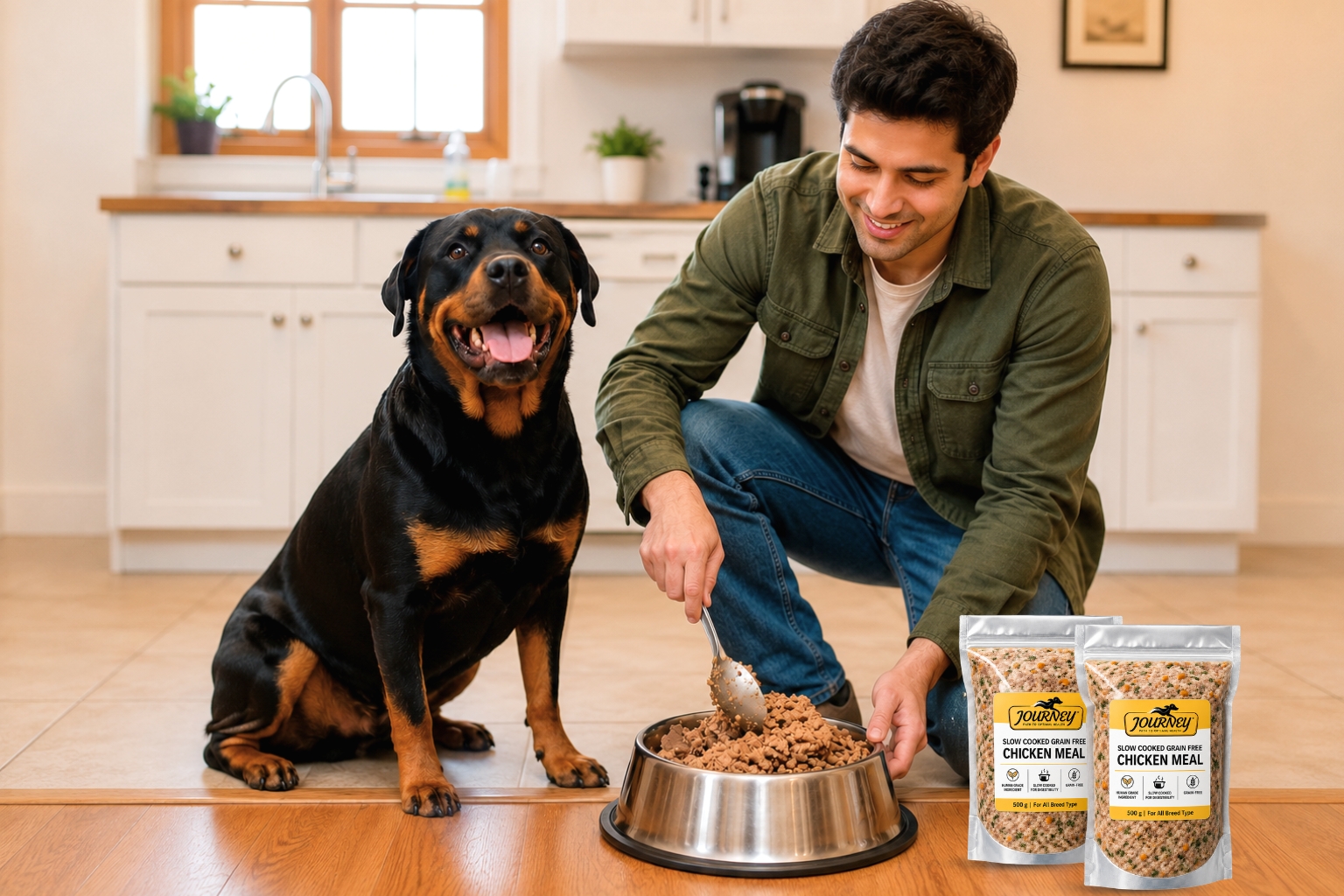
As the demand for biologically appropriate pet food surges, Indian pet parents are increasingly shifting away from ultra-processed kibble. While natural raw feeding remains the gold standard for canine wellness, families now have a new, gently cooked alternative that delivers similar whole-food integrity.
To explore the science behind this shift, we connected with Sagar Badakere—qualified canine nutritionist, founder of Journey Canine Raw Food, and co-founder of Edupet. Following the launch of Journey Canine’s new slow-cooked line, Badakere unpacks the physiological mechanics of low-heat cooking, its impact on gut microbiota, and how this new formulation bridges the gap between fresh nutrition and everyday convenience.
“The goal isn’t just to feed our dogs, but to nourish them at a cellular level. We are bridging the gap between the undeniable benefits of fresh ingredients and the everyday convenience modern pet parents need.” – Sagar Badakere, Founder, Journey Canine Raw Food
Edupet: Sagar, as nutritionists, we know the raw versus cooked debate is highly nuanced. You’ve positioned this new line as a ‘bridge’ that offers the safety of cooked food with the nutritional integrity of raw. Can you walk us through the specific thermal mechanics of your slow-cooking process? How do you maintain a temperature high enough to eliminate pathogens like Salmonella and E. coli, but low enough to prevent the denaturing of essential proteins and heat-sensitive vitamins?
Sagar: I’d like to start by saying that our goal isn’t to prove whether cooked food is better than raw, or vice versa. At Journey, our mission has always been to help more dogs move away from ultra-processed pet food and towards fresh, species-appropriate nutrition.
Our Slow Cooked range is designed as an entry point for pet parents who want the benefits of fresh food but may not yet be comfortable feeding raw. We understand the concerns around raw feeding in India, so we wanted to create an option that makes fresh nutrition more accessible.
Our recipes are gently slow cooked at controlled temperatures for the appropriate duration to improve food safety while minimizing unnecessary heat exposure. Combined with strict ingredient sourcing, hygiene protocols, and cold-chain logistics, this allows us to produce a safe, high-quality fresh food.
Like any cooked food, some heat-sensitive nutrients are naturally reduced during cooking. However, our aim is to avoid the excessive processing and extreme temperatures associated with ultra-processed pet foods.
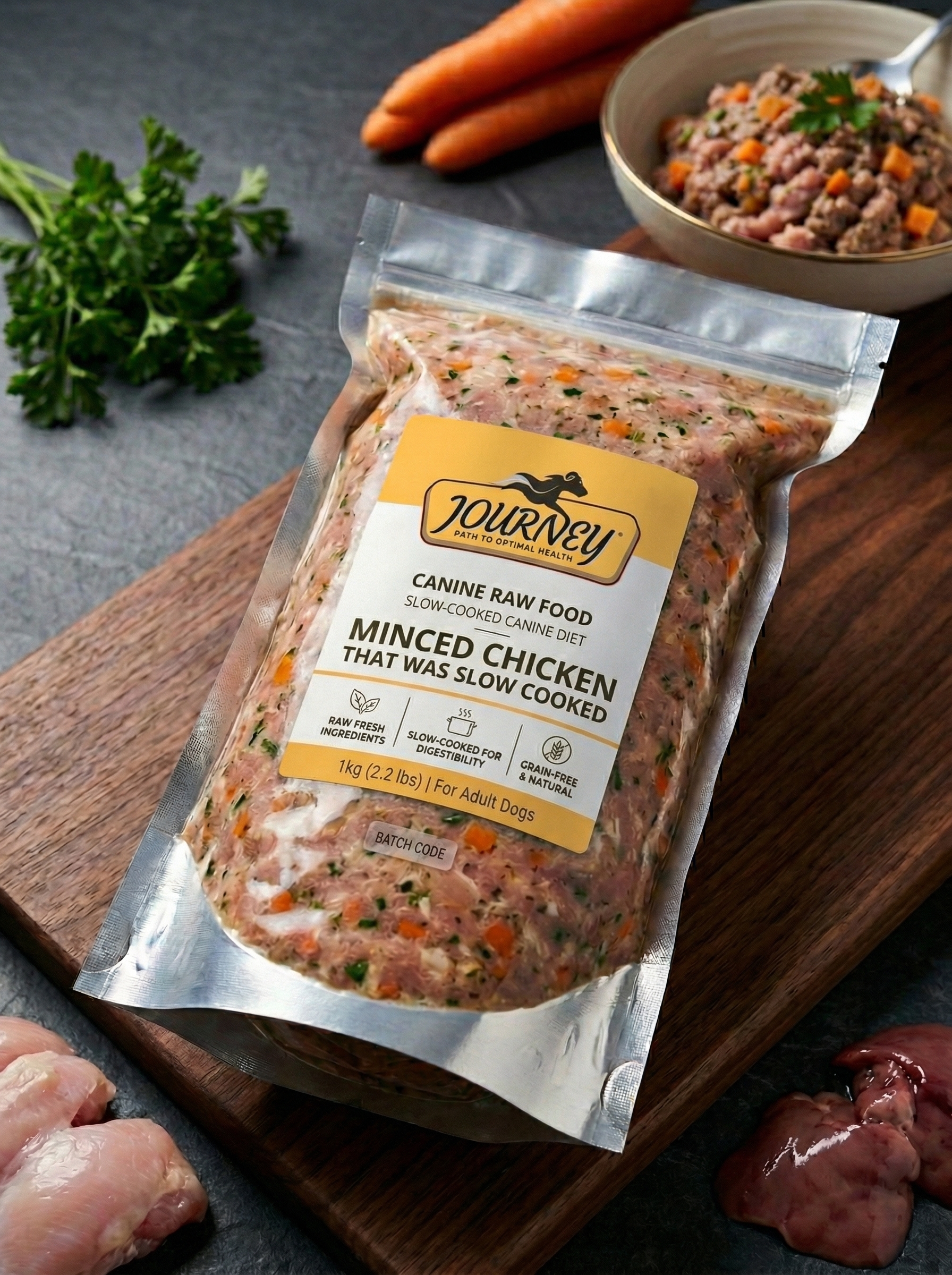
Whether pet parents choose our raw or slow cooked recipes, they are choosing real ingredients, properly formulated nutrition, and minimal processing. For us, it’s not about taking sides in the raw-versus-cooked debate—it’s about making fresh feeding practical, approachable, and accessible for more dogs.
Edupet: Ultra-processed kibble undergoes high-heat extrusion, which can alter protein structures and make them harder for a dog’s system to utilize. Clinically speaking, how does gentle, low-heat cooking actually improve the bioavailability of the complex proteins and carbohydrates in your meals compared to commercial dry diets?
Sagar: One of the biggest differences between fresh, slow-cooked dog food and commercial dry kibble lies in the level of processing. Every stage of processing has the potential to influence the nutritional quality of the final product.
With gentle cooking, our goal is to preserve the natural characteristics of fresh ingredients while making them easier for the digestive system to access. The controlled cooking process helps break down connective tissues and partially gelatinises carbohydrates, allowing digestive enzymes to work more efficiently. This can support improved nutrient absorption, particularly in dogs with sensitive stomachs, puppies, and seniors.
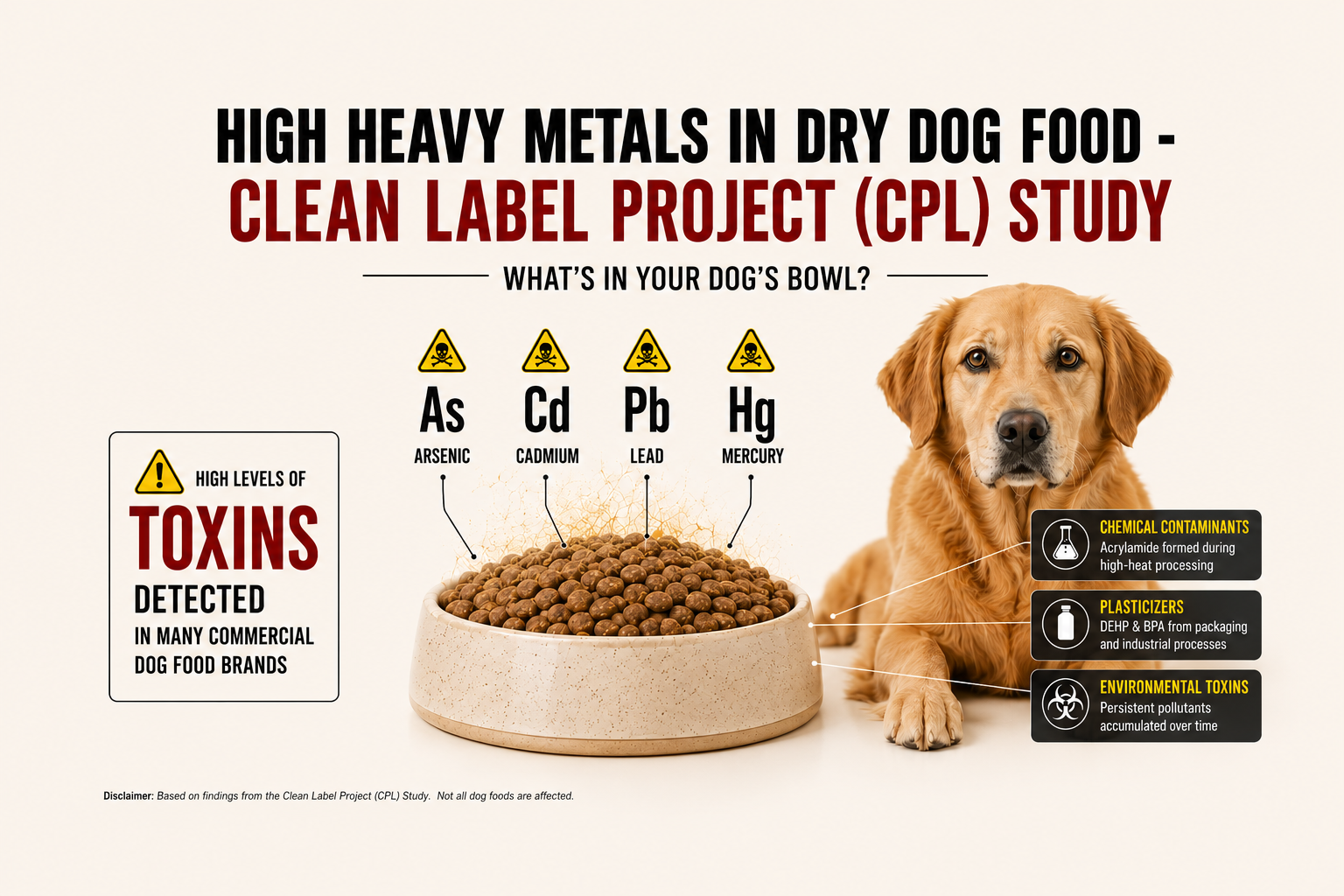
In contrast, many ultra-processed pet foods rely on high-temperature extrusion, which subjects ingredients to intense heat and pressure. While extrusion produces a shelf-stable product, it can also reduce certain heat-sensitive nutrients, requiring manufacturers to add synthetic vitamins and minerals after processing to restore nutritional completeness.
At Journey, we believe nutrition starts with ingredient integrity. By combining fresh, human-grade ingredients with minimal processing, we aim to deliver highly digestible meals that support healthy digestion, sustained energy, and overall canine wellness.
Edupet: Beyond just palatability, what are the primary metabolic and physiological factors that should motivate a pet owner to move away from ultra-processed diets?
Sagar:The biggest reason to move away from ultra-processed dog food is that nutrition isn’t just about meeting minimum nutrient requirements—it’s about supporting the body’s normal biological functions over a lifetime.
Fresh, minimally processed diets provide nutrients in a more natural food matrix, alongside naturally occurring enzymes, antioxidants, phytonutrients, and healthy fats that work together to support metabolic health. Excessive processing can reduce or alter some of these naturally occurring compounds, meaning the final product relies more heavily on synthetic supplementation.
From a physiological perspective, long-term nutrition influences body composition, muscle maintenance, immune function, gut health, and metabolic flexibility. A diet rich in high-quality animal protein and healthy fats can help maintain lean muscle mass, support a healthy gut microbiome, and promote stable energy levels throughout life.
Another consideration is the formation of Advanced Glycation End-products (AGEs) during high-temperature processing. While research in canine nutrition is still evolving, studies in both human and veterinary medicine suggest that excessive dietary AGEs may contribute to oxidative stress and chronic inflammation, which are associated with age-related diseases.
Ultimately, the goal isn’t simply to replace kibble—it’s to provide a diet that better aligns with a dog’s biology. Choosing fresh, minimally processed, species-appropriate nutrition is an investment in long-term health, helping support healthy ageing, optimal metabolism, and overall well-being rather than simply preventing nutritional deficiencies.
Edupet: For pet parents hesitant to make an immediate, cold-turkey switch from a lifetime of dry kibble, what is your clinical advice? Can pet owners safely utilize this slow-cooked meal as a nutrient-dense topper to ease the digestive system into fresh food before making a complete shift?
Sagar:In fact, that’s one of the primary reasons we developed our Slow Cooked range.
While some dogs transition to fresh food overnight without any issues, others—particularly senior dogs or those with a long history of eating dry kibble—may benefit from a more gradual introduction. Using a slow-cooked meal as a topper is an excellent way to familiarize both the dog’s digestive system and the pet parent with fresh feeding.
I generally recommend starting with 10–20% fresh food mixed with the existing diet and gradually increasing the proportion over 10–14 days, while monitoring stool quality, appetite, and overall comfort. Every dog is different, so the transition should be adjusted to the individual rather than following a rigid schedule.
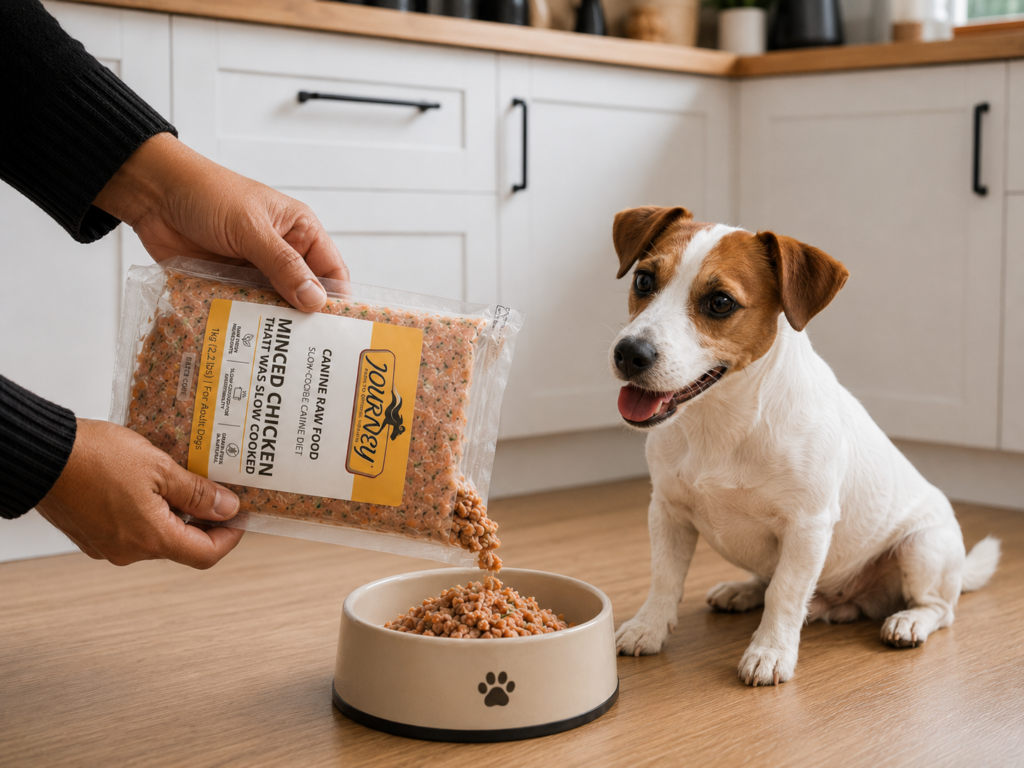
A topper also allows pet parents to observe improvements in palatability, hydration, and enthusiasm for mealtimes before committing to a complete dietary change.
My advice is simple: don’t let perfection become the enemy of progress. Even incorporating fresh, minimally processed food into your dog’s bowl is a positive step. The goal is to build confidence, create a smooth transition, and ultimately help more dogs benefit from better nutrition in a way that’s practical and sustainable for every household.
Edupet: Structurally, how should a pet parent execute a successful 7-to-10-day full transition to avoid gastrointestinal upset?
Sagar: A successful transition starts with understanding the dog in front of you. Healthy puppies and young adult dogs can often transition directly to fresh food, while senior dogs, dogs with digestive sensitivities, or those recovering from illness generally benefit from a gradual approach.
For a 7–10-day transition, I recommend starting with 10% fresh food and 90% of the current diet for the first couple of days. Gradually increase the fresh food every two to three days—moving to approximately 25%, then 50%, then 75%—until the dog is eating a completely fresh diet by Day 7 to 10.
During this period, monitor your dog’s stool quality, appetite, energy levels, and overall comfort. Mild changes in stool consistency can occur as the digestive system adapts, but persistent digestive upset should be addressed by slowing the transition rather than stopping it altogether.
Most importantly, avoid making multiple dietary changes at once. Keep treats and table scraps to a minimum during the transition so you can accurately assess how your dog is responding to the new food.
A gradual, structured transition allows the digestive system time to adapt and sets both the dog and the pet parent up for long-term success with fresh feeding.
Edupet: Because this is a fresh, frozen product without artificial chemical preservatives, pet parents naturally wonder about stability. What is the shelf life of the product, and what are the strict handling and storage protocols required to maintain pathogen safety in a domestic kitchen?
Sagar: Since our meals are made with fresh, human-grade ingredients and contain no artificial preservatives, proper storage is essential to maintain quality and safety.
Our products should be stored frozen at -18°C or below until required. When it’s time to feed, thaw the meal in the refrigerator and use it within 48 hours. As these products are cooked, they can also be thawed at room temperature, and you can refreeze any remaining excess quantity.
From a food safety perspective, handling Journey’s meals is no different from handling fresh food for your own family. Use clean utensils, wash your hands after preparation, and use clean food bowls for every meal.
By maintaining the cold chain from our facility to your freezer and following basic kitchen hygiene, pet parents can confidently and safely feed fresh food every day.
“Home-cooking comes from a place of deep love, but without rigorous nutritional mapping, it can inadvertently lead to long-term deficiencies. Commercial slow-cooking removes the guesswork.”
Edupet: Finally, many well-meaning pet parents attempt to cook fresh meals at home, but nutritionists frequently see nutritional imbalances—such as incorrect calcium-to-phosphorus ratios or micronutrient deficiencies. Where does home-cooking typically go wrong, and how does a professionally formulated commercial slow-cooked diet eliminate those blind spots?
Sagar: Home-cooked diets don’t usually go wrong because pet parents choose poor ingredients—they go wrong because balancing a dog’s nutritional requirements is far more complex than simply cooking meat and vegetables.
One of the most common mistakes is not providing the right balance of muscle meat, organs, edible bone or calcium sources, and essential micronutrients. Equally important is rotation. No single meat or organ provides every nutrient a dog needs. Rotating different protein sources, organs, and other whole-food ingredients over time helps create a more diverse and nutritionally complete diet while reducing the risk of long-term deficiencies.
Professionally formulated diets take these variables into account. Every ingredient is included for a purpose, ensuring the correct balance of protein, fats, vitamins, minerals, and the all-important calcium-to-phosphorus ratio.
For pet parents who enjoy cooking at home, I always recommend working with a qualified canine nutritionist to formulate recipes and plan appropriate ingredient rotation. Fresh feeding can be one of the healthiest ways to nourish a dog, but whether it’s homemade or commercially prepared, the key isn’t just feeding fresh—it’s feeding fresh and balanced.
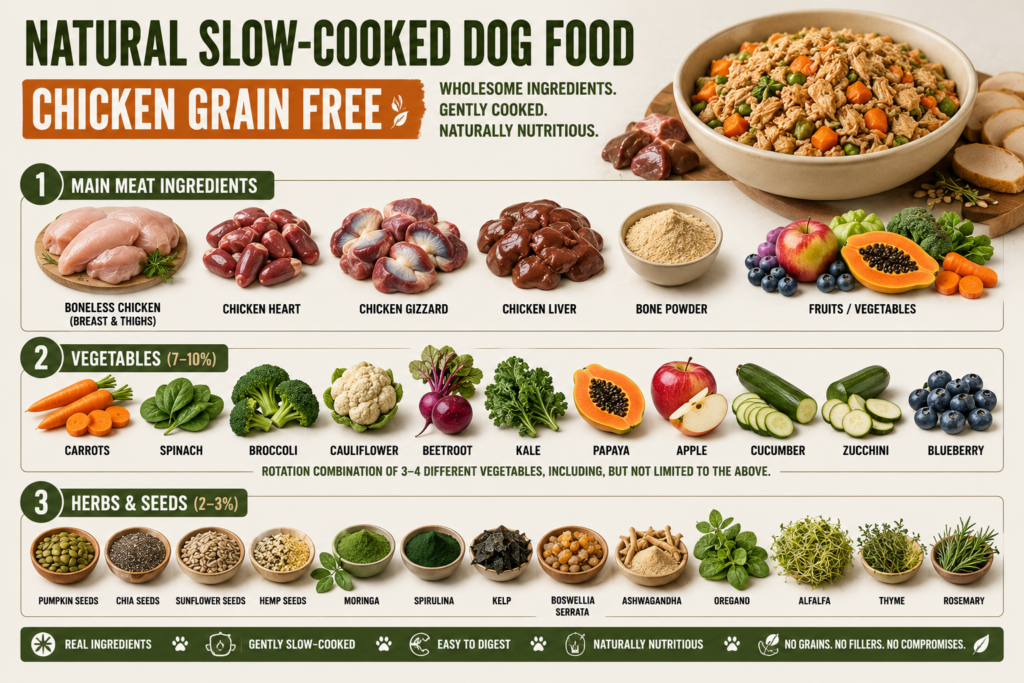
Edupet: Nutritional requirements shift dramatically from the rapid cellular division of puppyhood to the metabolic maintenance of a senior dog. Which life stages is this specific slow-cooked formulation recommended for, and how does the nutrient profile adapt across these milestones?
Sagar: Our Slow Cooked recipes are formulated to be suitable for all breeds at all life stages, from growing puppies to active adults and senior dogs. However, nutritional requirements vary with age, activity level, breed, and health status, so feeding portions are adjusted accordingly, rather than changing the core recipe.
Puppies require more calories and nutrients to support rapid growth, while adult dogs need nutrition that maintains lean muscle, healthy body weight, and everyday vitality. Senior dogs often benefit from carefully managed calorie intake while still receiving high-quality protein to help preserve muscle mass and support healthy ageing.
Regardless of life stage, our philosophy remains the same: provide complete and balanced nutrition using fresh, minimally processed ingredients. We also encourage rotation between different protein sources, as each meat offers a unique nutritional profile. This variety not only helps provide a broader range of naturally occurring nutrients but also keeps meals interesting and supports a more diverse diet over time.
Ultimately, there is no “one-size-fits-all” feeding plan. We work with pet parents to recommend appropriate portion sizes and protein rotations based on each dog’s individual needs, ensuring they receive optimal nutrition at every stage of life.
About The Author