Walk into any modern Indian pet household, and you will likely find a brightly colored bag of commercial kibble. For decades, pet food manufacturers have convinced us that this hyper-convenient, shelf-stable, uniform brown pellet is the pinnacle of canine nutrition.
However, beneath the clever marketing and convenience lies a stark biological mismatch. Dogs are facultative carnivores, yet we force them to subsist entirely on highly refined, heat-blasted, shelf-stable starch blocks.
As a canine nutrition expert and the founder of Journey Canine Raw Food, I see the long-term consequences of this dietary experiment every day in veterinary clinics across India. Dr. Ian Billinghurst, the pioneering evolutionary veterinarian who introduced the BARF diet, famously asked the industry a simple, paradigm-shifting question: “What did dogs eat before we invented processed food?” By returning to this fundamental biological reality, we realize that the soaring rates of canine obesity, diabetes, early-onset arthritis, and cancer are not just “bad luck.” They are deeply tied to chronic, habitual feeding of ultra-processed pet foods (UPFs).
Let’s dive into the peer-reviewed science behind why it is time for Indian pet parents to abandon the industrial kibble bowl and embrace a biologically appropriate, fresh, natural diet.
Defining Ultra-Processed Foods (UPFs) in the Pet Industry
In human nutrition, the NOVA classification system defines ultra-processed foods as industrial formulations made from substances derived from foods (e.g., fats, starches, added sugars, proteins), containing little to no whole foods, and packed with additives, preservatives, and colorants.
Commercial dog kibble fits this definition perfectly. The manufacturing process relies heavily on extrusion.
[Raw Ingredients] ➔ [Grinding & Mixing] ➔ [High-Heat Cooking (100°C–200°C)] ➔ [Forced Through Die to Form Pellets] ➔ [Fats & Synthetic Vitamins Sprayed]
This aggressive thermal processing alters the physical and chemical structure of the ingredients. Because the natural nutrients are largely destroyed during extrusion, manufacturers must spray a synthetic premix of vitamins and minerals back onto the cooled kibble to meet minimum nutritional guidelines. What remains is a shelf-stable product designed for human convenience, not canine thriving.
Dr. Judy Morgan, a world-renowned holistic veterinarian and food therapist, directly challenges this industrial approach to feeding: “Would you rather get your nutrition from whole foods or from synthetic pills? Study the ingredients. You want what your pet eats to be packed with real and whole foods.”
The Hidden Pitfalls: What Ultra-Processed Food Does to Canine Health
Prolonged, exclusive feeding of kibble introduces harmful chemical compounds into your dog’s body, creating systemic physiological stress.
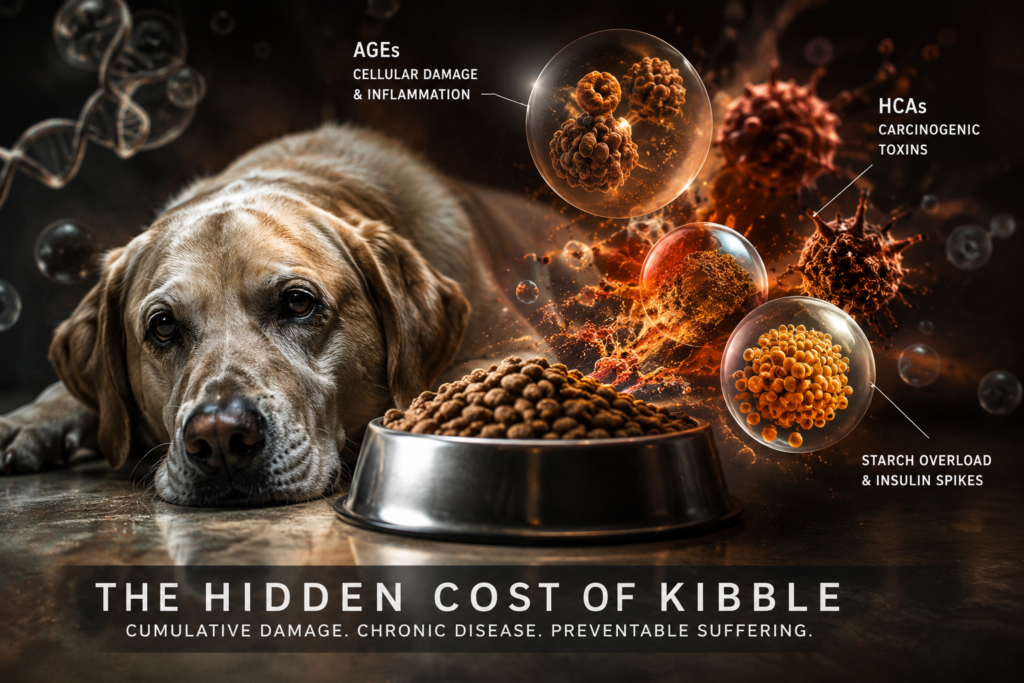
1. Advanced Glycation End-Products (AGEs) and Cellular Damage When proteins and carbohydrates are cooked together at high temperatures with low moisture, a chemical reaction known as the Maillard reaction occurs. This process creates Advanced Glycation End-Products (AGEs). AGEs are aging toxins that bind to specific receptors (RAGE) in canine tissue, triggering a cascade of oxidative stress and chronic inflammation.
- The Research: A seminal study by the DogRisk research group at the University of Helsinki (2020) measured dietary AGE intake in dogs. The researchers discovered that dogs fed ultra-processed dry kibble had significantly higher blood plasma levels of AGEs compared to dogs fed a raw or fresh whole-food diet.
- The Consequence: Over years of habitual feeding, these circulating AGEs damage vascular tissue, accelerate cognitive decline, and heavily burden the kidneys and liver—the very organs tasked with filtering toxins.
2. Heterocyclic Amines (HCAs) and Carcinogenesis Extruded diets containing animal proteins subjected to extreme heat generate Heterocyclic Amines (HCAs) and Polycyclic Aromatic Hydrocarbons (PAHs). Both are well-documented mutagens and carcinogens. When a dog consumes these compounds twice a day for eight, ten, or twelve years, the cumulative DNA damage to cells increases exponentially. This chronic toxic exposure is a primary reason why skin tumors, mast cell tumors, and hemangiosarcoma have become tragically common in Indian households.
Summarizing this devastating physiological toll, Dr. Karen Becker, co-author of The Forever Dog, notes: “Species-appropriate, unadulterated, real food is vital for disease prevention and recovery and can’t be overlooked or substituted. We can’t give our animals a pill to make up for poor nutrition, and no animal will thrive eating highly refined, ultra-processed foods for a lifetime.”
3. The Starch Overload and the Insulin Rollercoaster By design, the extrusion machinery requires a massive amount of starch (often 40% to 60% of the bag) to bind the kibble together and make it pop into shapes. This starch usually comes from corn, wheat, rice, potatoes, or peas. Dogs have no biological requirement for carbohydrates. Constant carbohydrate influx leads to permanent spikes in blood glucose and insulin. Over time, this exhausts the pancreas, leading to insulin resistance, metabolic syndrome, and systemic obesity.
The Microbiome Havoc: How Kibble Strips the Gut
The canine gastrointestinal tract houses trillions of microbes that regulate up to 80% of the dog’s immune system. A healthy microbiome requires a diverse array of live, varied nutrients to thrive. Kibble is essentially a sterile, dead food. It lacks the live enzymes, beneficial bacteria, and complex dietary fibers found in fresh, unadulterated whole foods.
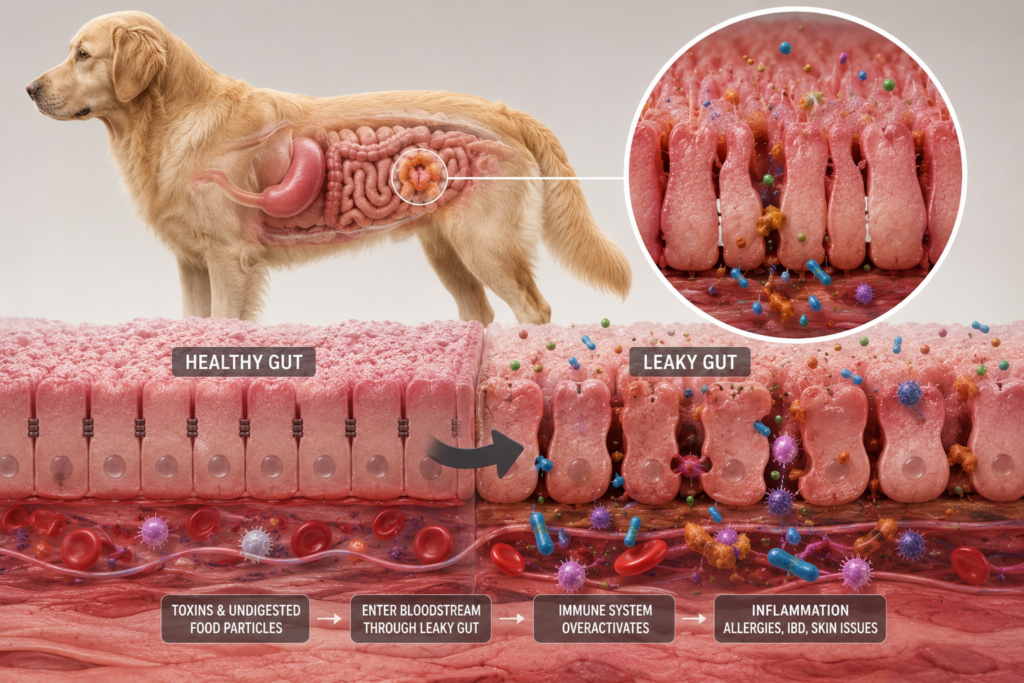
When a dog eats only ultra-processed food, the gut microbiome loses its diversity. Harmful, pro-inflammatory bacterial strains take over, leading to dysbiosis. This imbalances the delicate mucosal barrier of the intestine, causing a condition known as “leaky gut” (increased intestinal permeability). Toxins and undigested food particles slip into the bloodstream, confusing the immune system and manifesting as chronic skin allergies, constant paw licking, hot spots, and inflammatory bowel disease (IBD).
Dr. Nick Thompson, holistic veterinarian and founder of the Raw Feeding Veterinary Society, advocates that diet is the ultimate remedy for these systemic issues: “Most modern ailments are created through lack of adequate nutrients and the strain caused by toxin-laden species-inappropriate food… If the diet you provide is inherently anti-inflammatory, then this is bound to help with a myriad of problems. Let Raw Food Be Thy Medicine.”
The Evidence: Insights from Global Research Groups
The shift toward fresh feeding is supported by an expanding body of rigorous veterinary science. Two prominent independent research groups have paved the way in documenting these findings:
1. The DogRisk Research Group (University of Helsinki)
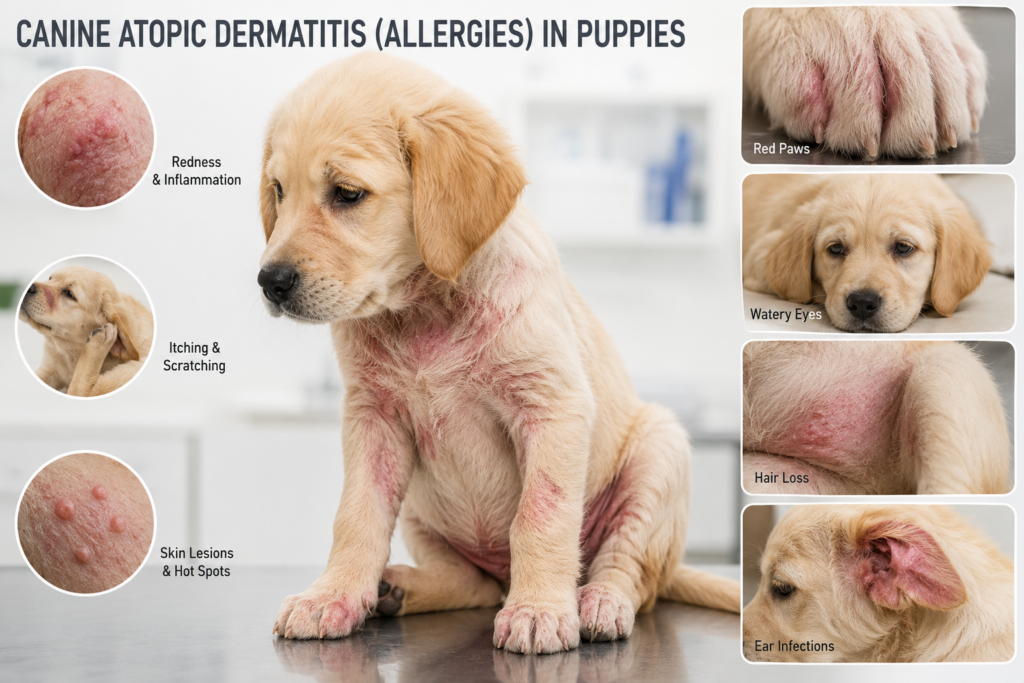
- Atopic Dermatitis: Their research found that puppies fed a fresh, non-processed diet during early life had a significantly lower risk of developing canine atopic dermatitis (allergies) later in life compared to puppies raised on dry kibble.
- Inflammatory Blood Markers: In a 2021 study, the group found that switching dogs from a dry diet to a fresh whole-food diet significantly decreased targeted inflammatory markers (like Homocysteine) in the blood, while switching fresh-fed dogs to kibble drastically increased those inflammatory markers.
2. The Lippert-Sapy Study (Belgium) In an extensive epidemiological study spanning over five years, Belgian researchers Dr. Gérard Lippert and Bruno Sapy analyzed data from more than 500 domestic dogs.
- The Findings: The data conclusively demonstrated that dogs fed a homemade, fresh, non-processed diet lived an average of 32 months longer (nearly 3 years!) than dogs fed industrial, ultra-processed commercial pet food.
Dr. Conor Brady, canine nutrition specialist and author, echoes the significance of this data: “Studies show dogs fed real food suffer significantly less inflammation, less skin disease, less ear disease, less gut disease.”
The Indian Context: Unique Challenges of Kibble in Our Climate
While ultra-processed food is problematic globally, it poses unique hazards in the Indian subcontinent due to climate and storage realities.
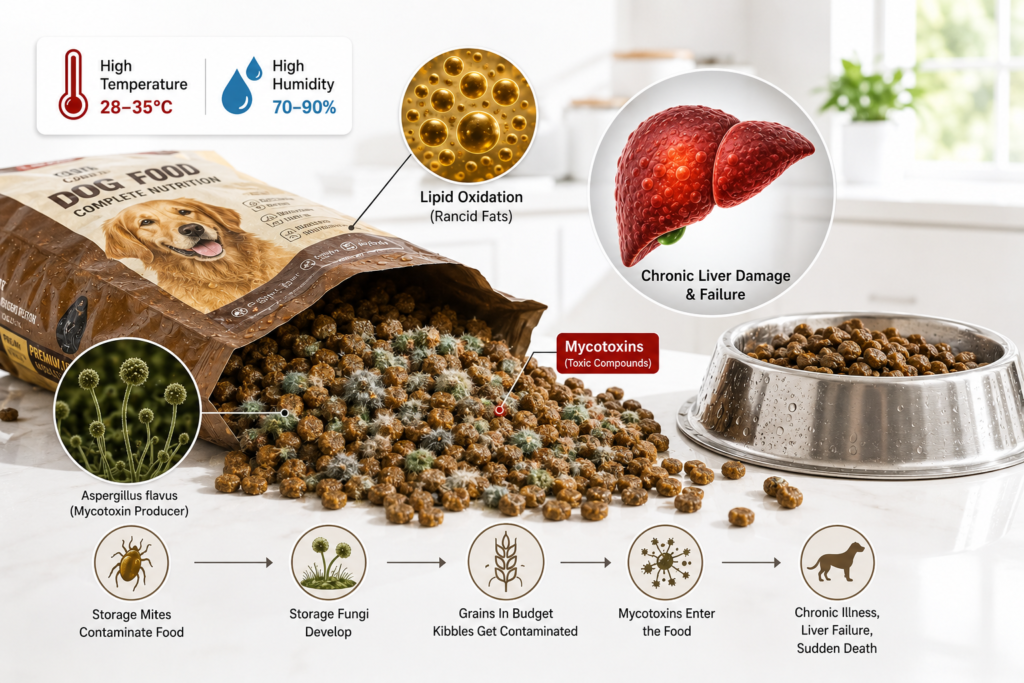
- The Storage and Mycotoxin Threat: India’s high ambient temperatures and intense relative humidity—especially in coastal cities like Mumbai—create the perfect breeding ground for storage mites and storage fungi. Once a bag of kibble is opened, oxygen enters, causing the fats sprayed onto the exterior of the kibble to turn rancid via lipid oxidation. More alarmingly, poor storage conditions along supply chains invite mycotoxins—toxic compounds produced by molds like Aspergillus flavus that contaminate grains used in budget kibbles. Mycotoxin toxicosis acts as a silent killer, causing chronic liver failure and sudden fatalities across the country.
- Dehydration in a Hot Climate: Kibble contains a mere 8% to 10% moisture content to keep it shelf-stable. Fresh food, by contrast, mirrors an animal’s natural prey, boasting 70% to 75% moisture. Dogs fed dry kibble live in a state of mild, chronic dehydration. In hot Indian summers, this puts immense strain on their kidneys, leaving them highly susceptible to urinary crystals, stones, and chronic renal failure.
The Solution: Transitioning to Fresh, Natural Feeding
Shifting away from ultra-processed food does not mean feeding your dog table scraps, nor does it mean throwing random ingredients into a bowl. A fresh food diet must be balanced, nutrient-dense, and clean.
Core Pillars of a Biologically Appropriate Fresh Diet
- High-Quality Clean Protein: Human-grade chicken, mutton, fish, or eggs. Avoid factory-farmed meats with heavy antibiotic residues.
- Organ Meats (The Natural Multivitamin): Liver, kidney, and spleen provide vital trace minerals, vitamins A, D, and B-complex that muscle meat lacks.
- Low-Glycemic Functional Vegetables: Pureed steamed pumpkin, spinach, cabbage, and celery provide essential phytonutrients and antioxidants without spiking blood sugar.
- Healthy Fats: Cold-pressed coconut oil, fresh wild-caught fish oil, or hemp seed oil supply critical Omega-3 fatty acids to combat inflammation.
- Calcium Sources: Ground raw bones or veterinary-grade bone meal to perfectly balance the phosphorus found in meat.
How to Safely Transition Your Indian Dog If your dog has eaten kibble for years, their digestive tract is adapted to an ultra-processed lifestyle. Their stomach acid is less acidic, and their digestive enzymes are sluggish. You must transition them gradually.
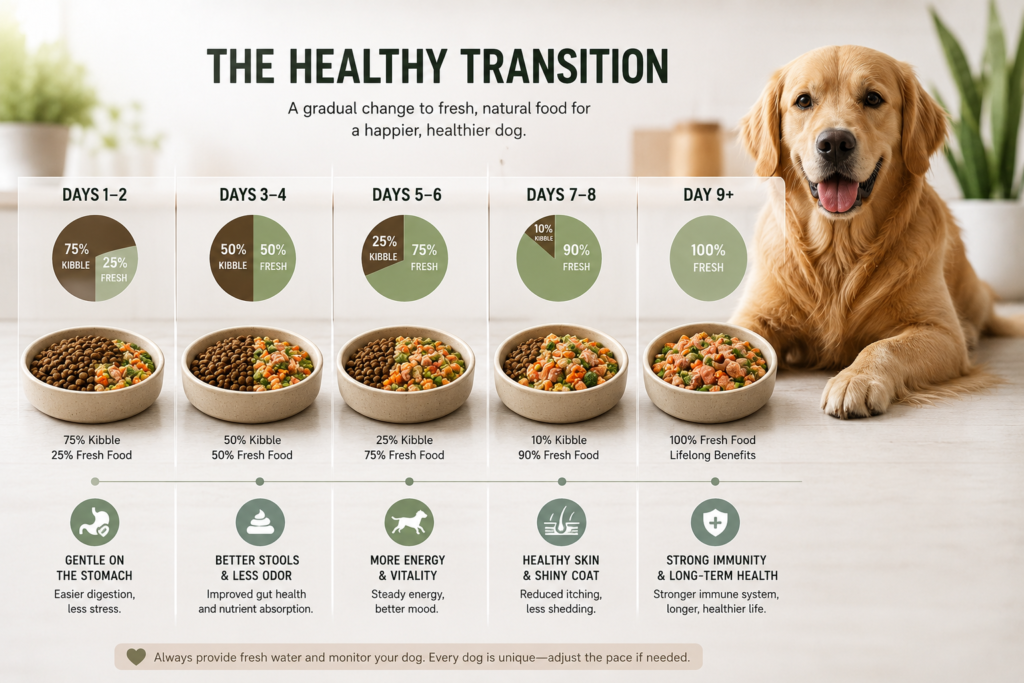
- Step 1: Start with a single, highly digestible protein source (like lightly cooked boneless chicken or boiled eggs) combined with pureed pumpkin.
- Step 2: Mix 25% of this fresh mixture into 75% of their current kibble.
- Step 3: Slowly alter the ratio over 10 to 14 days until the bowl is 100% fresh.
- Step 4: Incorporate organ meats and essential calcium supplements only after their digestion has completely stabilized on whole muscle meats.
Final Thoughts: The True Cost of Convenience
As pet parents, we value convenience. However, we must ask ourselves what that convenience truly costs. The money saved today on a bag of highly processed, shelf-stable kibble is frequently paid back later with interest in veterinary hospital waiting rooms, costly allergy management, and heartbreak.
Through advocacy and the formation of industry pillars like the Natural Feeding & Pet Wellness Association of India, we are working to ensure that transparency and science lead the way forward. The scientific consensus is clear: whole, living, fresh foods promote cellular health, reduce chronic inflammation, and protect canine DNA. By stepping away from the factory-made pellet and returning to fresh, species-appropriate nutrition, we give our canine companions the ultimate gift—the opportunity to live a long, vibrant, disease-free life by our side.
About The Author