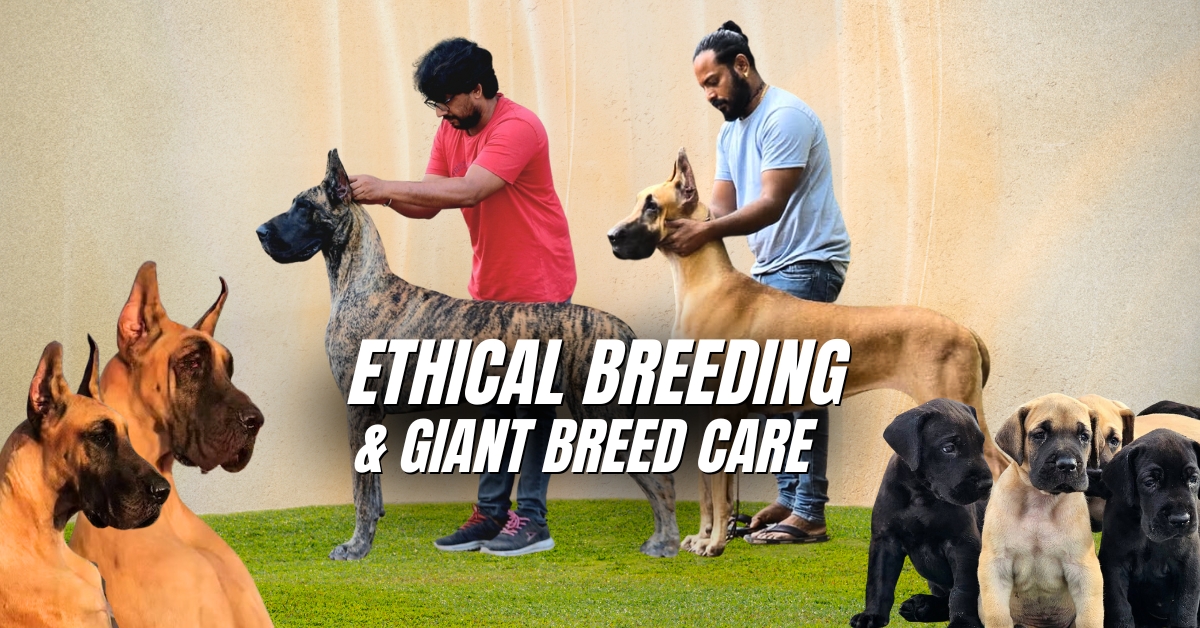
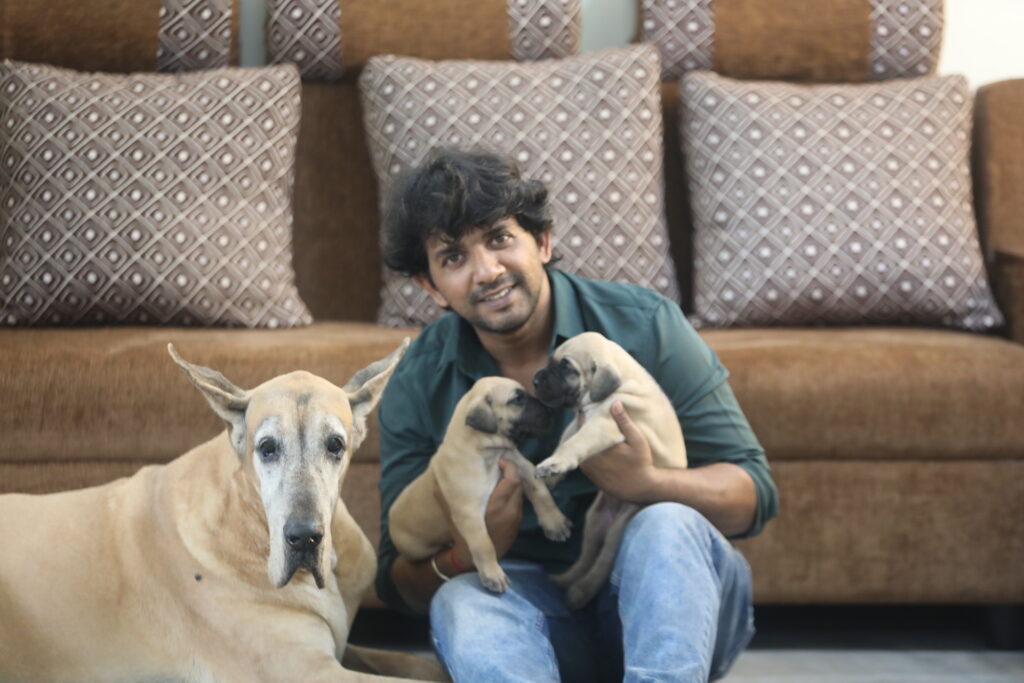
With over 18 years of hands-on experience in responsible dog breeding, C.K. Manikandan aka CK is widely recognized for his commitment to producing psychologically stable, structurally sound, and long-living companion dogs. His journey began with a deep passion for giant breeds, particularly the Great Dane with the prefix of Poshdanes a well-known bloodline in and around the global breeding fraternity and evolved into a lifelong mission of improving canine health through scientifically backed breeding practices and natural nutrition.
As a qualified Canine Nutritionist, CK has consistently promoted species-appropriate diets long before they became a trend. His work emphasizes natural feeding, balanced formulation, and preventive health nutrition, resulting in increased life expectancy and better quality of life for his dogs—many living well beyond 10 years.
He is also the visionary Founder of Caninokare, a brand built with the purpose of educating pet parents, supporting ethical breeders, and improving the nutritional standards of pet food in India. Under his leadership, Caninokare continues to design food systems and nutritional solutions that are breed-specific, science-driven, and naturally aligned.
Today, with two decades of expertise, structured learning, and practical success, C.K. stands as a trusted voice in ethical breeding, nutrition planning, and canine well-being—focused not just on producing pets, but on building healthier, happier canine families.
1. Many states in India have imposed bans on certain dog breeds, often labeling them as “dangerous.” Do you believe banning specific breeds is the right approach, or should the focus be on educating owners about responsible pet parenting and training?
From my two decades of working closely with large and powerful breeds, I can confidently say that a ban is never a solution. A dog’s behavior is shaped far more by the owner’s understanding, the environment, and the early upbringing than by the breed name written on its registration sheet.
What we need is owner education, awareness about training, and proper socialization.
Any breed—not just the banned ones—can turn aggressive when isolated, poorly trained, or misunderstood. When families are trained the right way, even the so-called “high-drive” breeds thrive beautifully.
The focus should shift from banning dogs to:
- enforcing responsible ownership,
- ensuring early socialization,
- regulating breeding practices, and
- training both pets and pet parents.

2. What are the key factors pet parents should consider before selecting a giant dog breed? How important is it to match a breed’s temperament with a family’s lifestyle?
Giant breeds are not accessories; you live with them, not around them. Before selecting a large dog—especially breeds like Great Danes—families must assess:
✔ Space availability
✔ Time commitment for exercise and bonding
✔ Financial preparedness for food, training, and veterinary care
✔ Lifestyle compatibility
✔ Ability to commit 8–10+ years
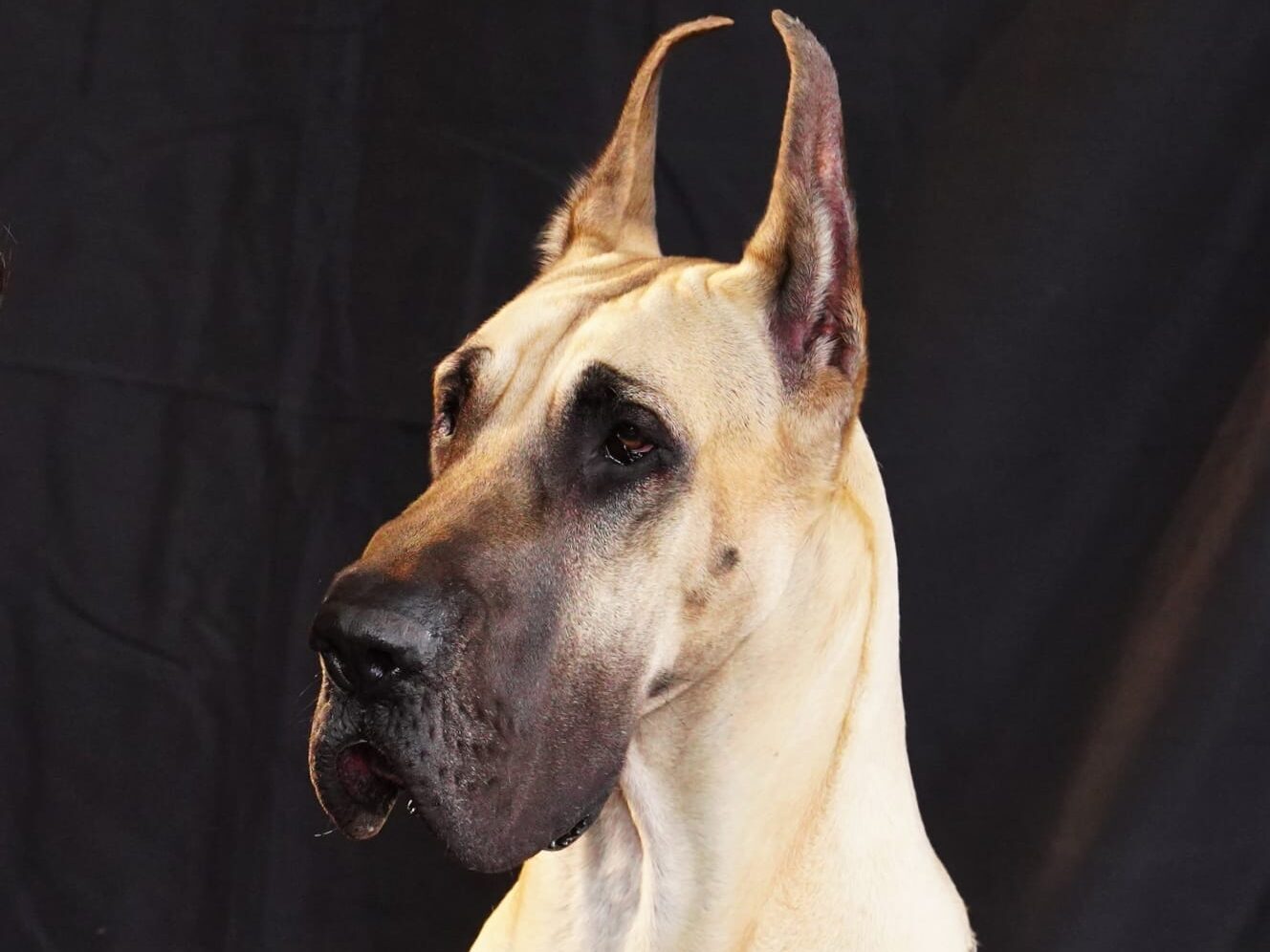
Matching temperament to lifestyle is crucial. Giant breeds are sensitive and often emotionally dependent. For example, a Dane cannot be placed in a home where people travel frequently or leave the dog alone for long hours. A mismatch here leads to behavioral problems, stress, and aggression.
3. How can pet parents identify a reputed and ethical breeder versus a backyard breeder or puppy mill? What are the red flags to watch for when buying a puppy?
An ethical breeder will always:
- Have health records, pedigrees, and genetic screening
- Ask questions about your lifestyle before offering a puppy
- Show parents’ temperament and living conditions
- Guide you on training and nutrition
- Allow you to visit the kennel openly
Red flags include:
❌ Puppies being sold without seeing the dam
❌ No vaccination/record
❌ Puppies going home earlier than 8 weeks
❌ One-time offers or discounts
❌ No breeder responsibility post-sale
An ethical breeder mentors you for the dog’s lifetime—not just until payment is received.
4. What should families ask themselves before bringing a pet home? How can first-time dog owners prepare for the responsibilities of pet parenting?
Families must ask:
- Why do we want a dog?
- Who will walk, feed, and train daily?
- Can we provide time, mentally and emotionally—not just financially?
- Are we ready for lifestyle adjustments?
I always recommend first-time owners to:
- start reading about canine communication,
- understand diet and breed-specific health needs,
- talk to multiple pet parents and trainers, and
- visit ethical kennels.
A dog is a commitment similar to raising a child, and that cannot be impulsive.

5. Does genetics and environment shape a dog’s temperament? Is there any specific training and nutrition requirement for large breeds like Great Danes?
Genetics give a foundation; environment shapes the final outcome.
If a dog comes from:
- stable-tempered lineage,
- correct structure, and
- well-planned breeding programs…
…the chances of a confident and balanced adult are high.
For large breeds like Danes:
⭐ Early controlled exercise
⭐ Joint-supportive nutrition
⭐ Slow growth rather than rapid bulking
⭐ Calm exposure to new environments
⭐ Structured leash training
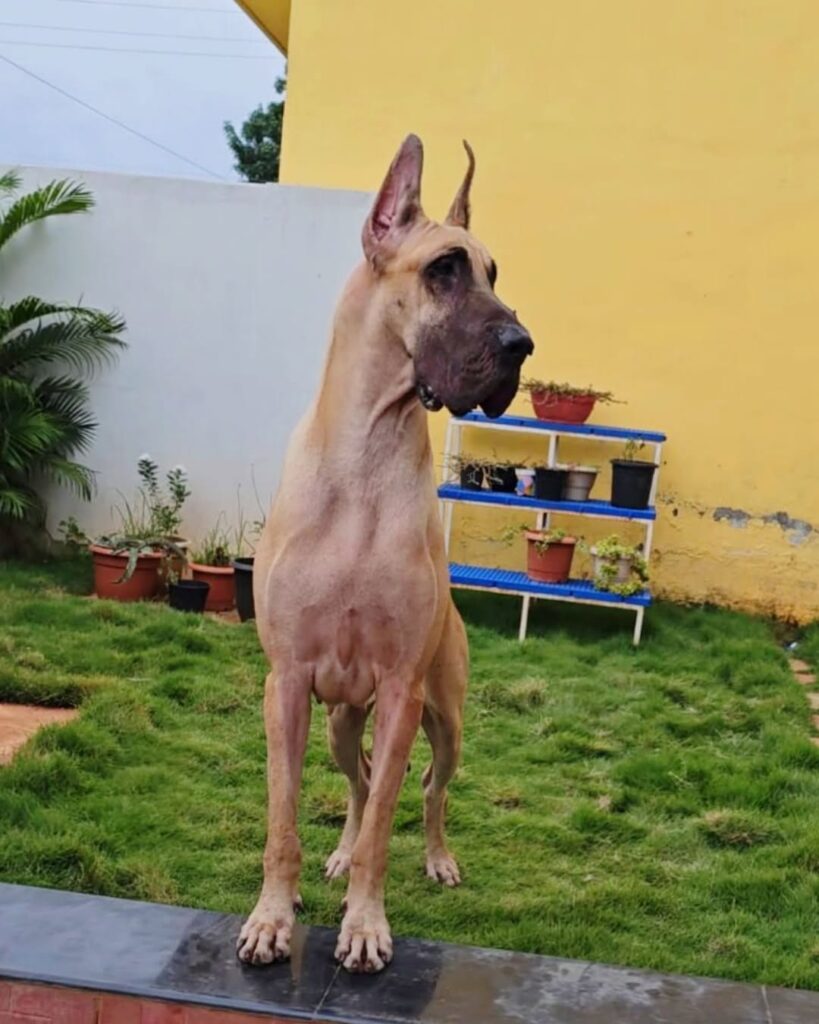
Large breeds are sensitive—mentally and physically. One wrong step in nutrition or over-exercise impacts lifespan and mobility.
6. Comment on importance of choosing and understanding the right nutrition, do specific dog breeds need special diets, what is the most misunderstood fact, and who can help?
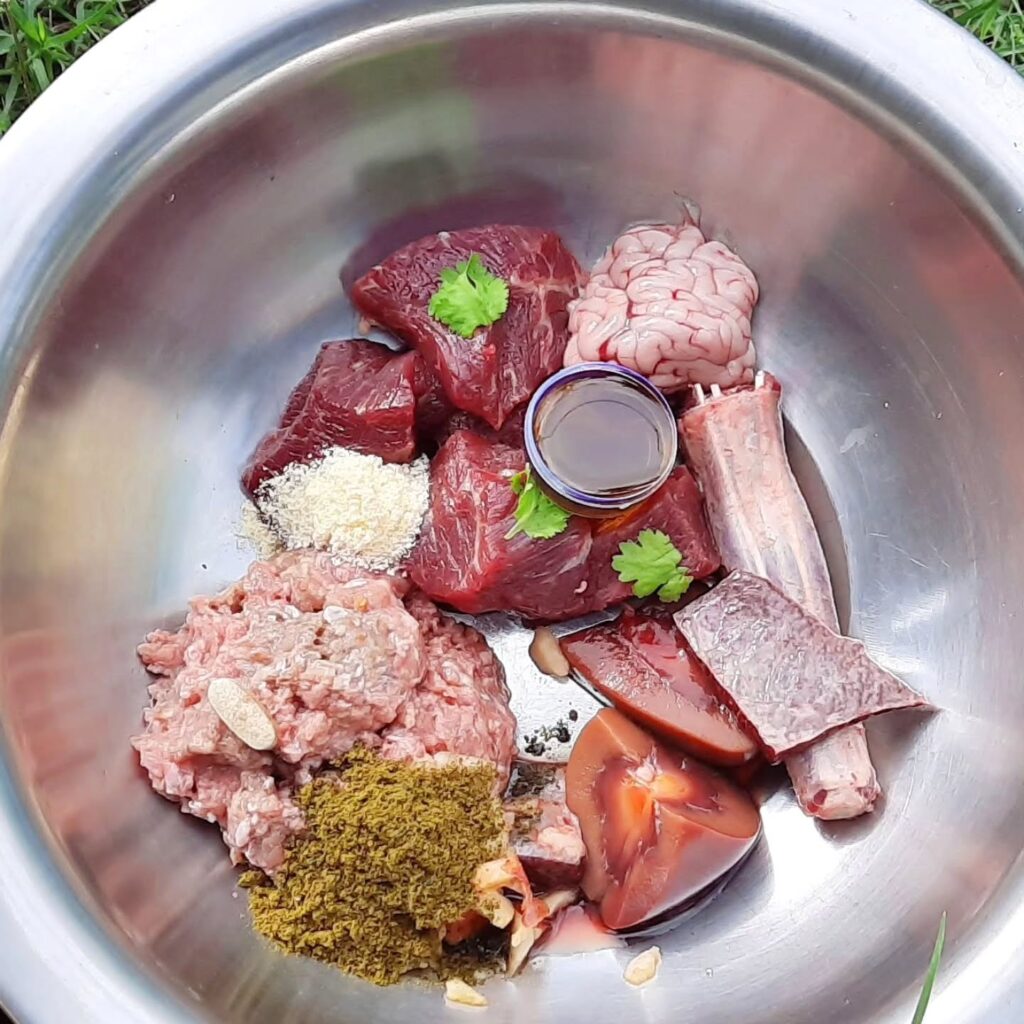
Nutrition determines lifespan.
We have been able to extend our dogs’ life expectancy to 10+ years consistently because their diet is natural, unprocessed, and species-appropriate.
The biggest misunderstanding among pet owners:
“Every dog can eat the same food.”
Different breeds have different:
- bone growth rates,
- metabolic requirements, and
- disease predispositions.
Danes, for example, need:
- moderate protein
- controlled calcium-phosphorus balance
- anti-inflammatory fats
Professionals who can help:
✔ Experienced breeders
✔ Canine nutritionists, and
✔ Veterinarians who specialize in canine nutrition
Not every commercial diet suits every dog.


7. What are the most common predisposed genetic diseases in purebred giant dog breeds? How can pet parents mitigate risks?
Some predispositions include:
- Dilated Cardiomyopathy
- Hip and Elbow Dysplasia
- Wobbler Syndrome
- Gastric Torsion
- Thyroid disorders
Pet parents can mitigate risk by:
✔ Choosing breeders who screen bloodlines
✔ Asking for longevity history
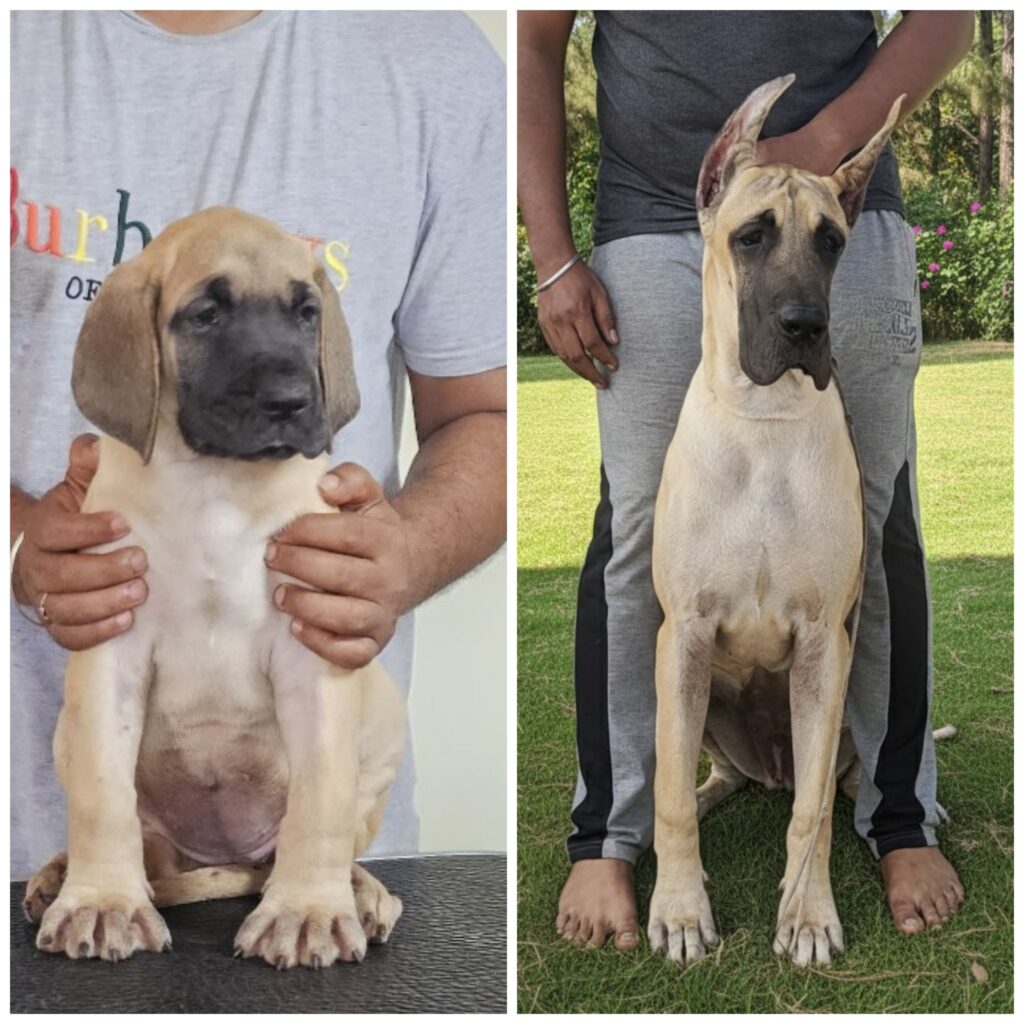
✔ Avoiding overweight puppies
✔ Providing controlled growth nutrition
✔ Avoiding early strenuous exercise
Good genetics reduce disease risk significantly.
8. Why do breeders in India often earn a bad reputation, and how can this change? What role do clubs and regulations play?
Breeders get a bad reputation often because:
❌ No transparency
❌ Mass breeding
❌ No post-sale support
❌ Lack of scientific breeding knowledge
Change must begin with:
- Breeders being accountable for every puppy they produce
- Buyers being educated to reject unethical sources
- Breed clubs enforcing standards
- Kennel clubs introducing breeder licensing and health audits
I strongly believe governing bodies and regulatory frameworks must intervene to standardize breeding practices—just like food safety or pharmaceutical regulations.
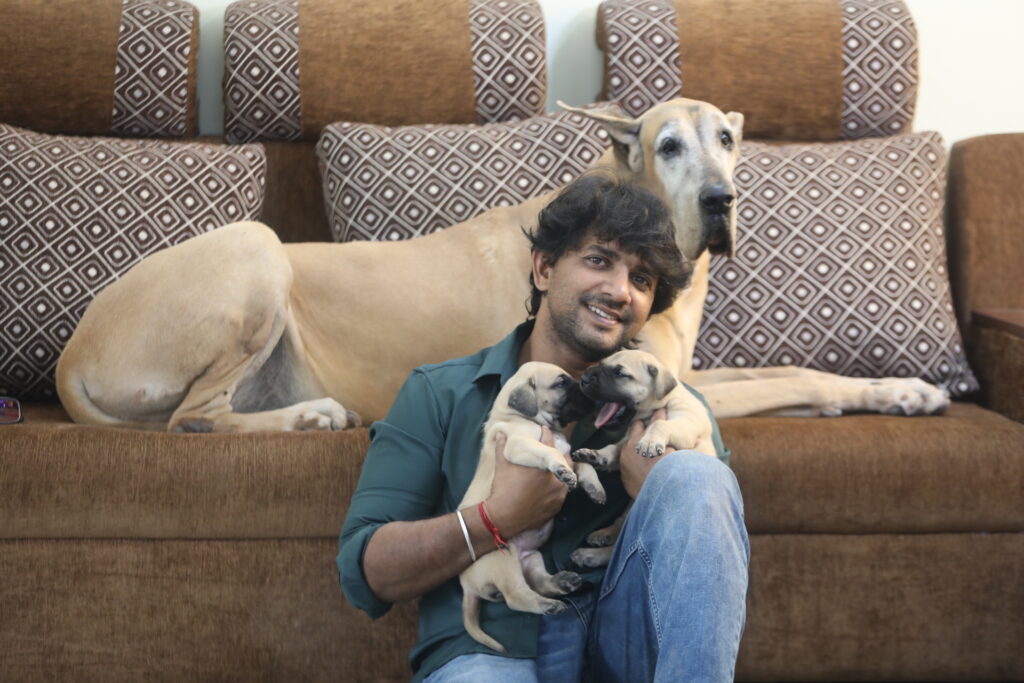
“Ethical breeders do not sell puppies—they mentor families for a lifetime. Responsibility does not end at payment.”
CK Manikandan, Breeder & Founder, Posh Dane Kennels
9. Many pet parents prefer exotic breeds over Indian breeds—what are your thoughts?
It is not wrong to choose exotic breeds. But what is wrong is choosing without research. Many exotic breeds struggle in Indian conditions due to heat tolerance, dietary sensitivities, and limited breed-specific veterinary expertise.
Indian breeds, on the other hand:
✔ have natural adaptability
✔ require low maintenance
✔ live longer
Whichever breed people choose, the goal must be informed responsibility.
Socialization begins at the breeder’s home—not at the buyer’s.
In my kennels, puppies are exposed to:
⭐ human touch,
⭐ textures,
⭐ outdoor sound exposure,
⭐ controlled interaction with stable adult dogs,
⭐ crate familiarity.
This foundation ensures smooth transition, lesser anxiety, and better trainability.
Collaboration should be:
- Veterinarian → medical guidance
- Nutritionist → breed-specific diet
- Trainer → structured obedience & behavior
When these three work with a breeder, you get a well-balanced, psychologically stable dog.
11. What steps can breeders and pet professionals take to promote responsible dog ownership?
Some steps already being practiced by ethical breeders include:
- Refusing to sell when the home is unsuitable
- Conducting orientation for first-time parents
- Offering diet charts and growth-monitoring plans
- Staying connected for ongoing support
- Educating about unethical breeding practices
- Guiding on sterilization when needed
Breeders should not just sell a puppy—they must create a responsible dog-owning ecosystem.
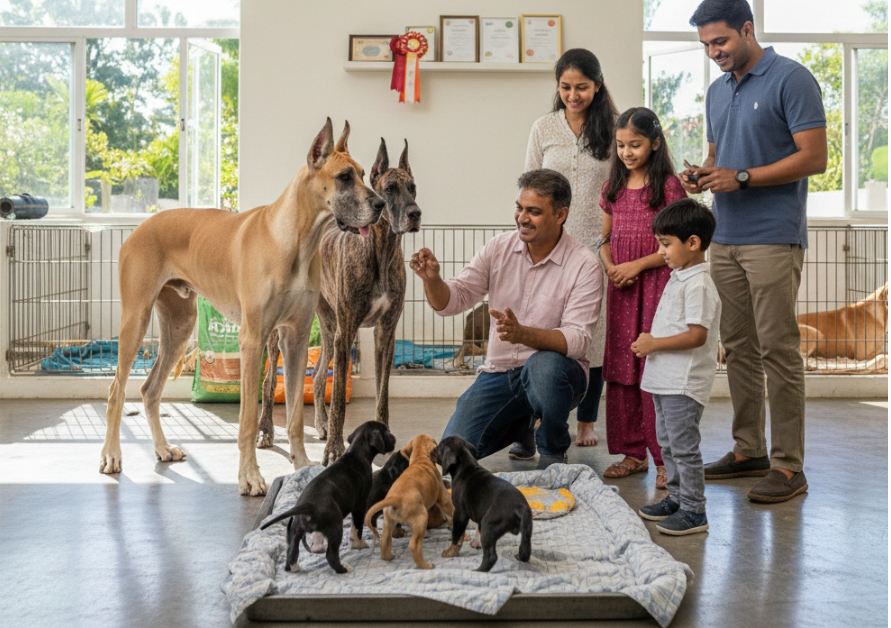
Follow Poshdanes on Instagram: @callme_ck_