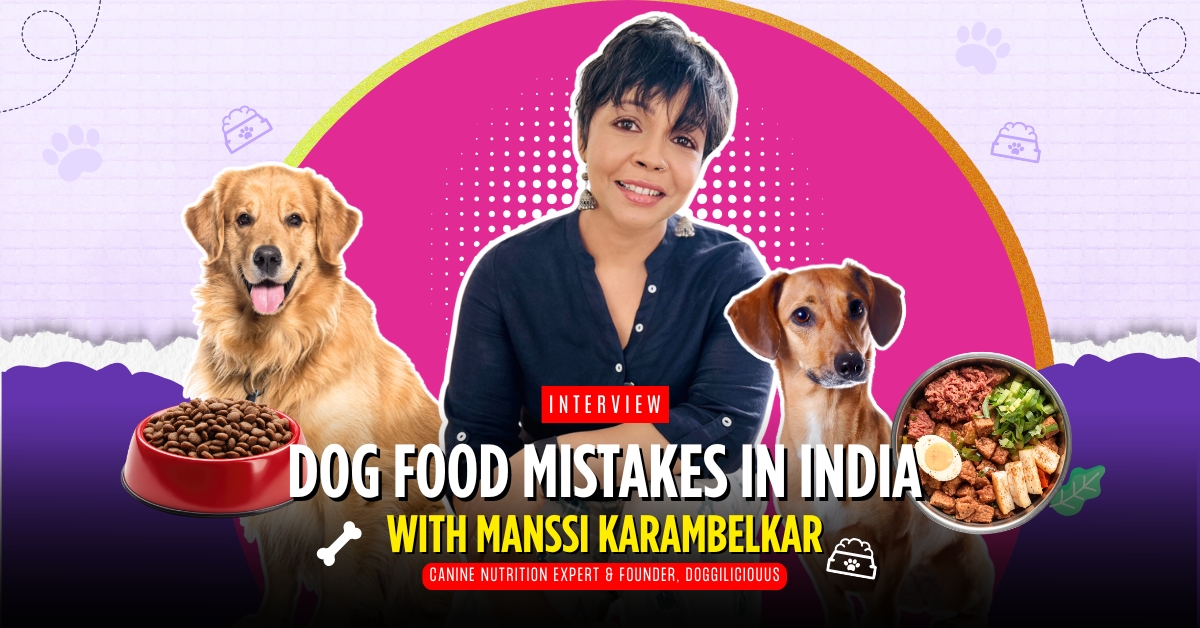
In an Indian pet care ecosystem dominated by commercial narratives and convenience-driven feeding, a small but determined group of professionals is challenging the status quo with biology, evidence, and empathy. One such voice is Manssi Vedhya Karambelkar, an internationally certified canine nutritionist and holistic wellness practitioner who has built Doggiliciouus and Rooted In Love into trusted, science-backed platforms for species-appropriate dog nutrition in India.
In this in-depth EDUPET interview, Manssi speaks candidly about ancestral canine diets, the dangers of ultra-processed pet food, misinformation in veterinary and brand-led advice, and why holistic nutrition is no longer optional for dogs living in modern India. Her insights cut through myths, confront uncomfortable truths, and offer a grounded roadmap for pet parents seeking long-term health—not just symptom management—for their dogs.
1. As an internationally certified canine nutritionist, you’ve seen global standards in pet nutrition. What’s the most glaring disconnect between India’s pet food practices and the ancestral, holistic needs of dogs, and how does Doggiliciouus aim to bridge it?
There’s a profound disconnect between how dogs are biologically designed to eat and how they’re actually being fed in most Indian households today. While global standards are slowly moving towards species- appropriate, fresh, and functional nutrition, much of India still operates on outdated beliefs and commercial convenience. Dogs are often given ultra- processed foods, gravy- laden pouches, or home- cooked meals that are nutritionally unbalanced and fundamentally unaligned with their evolutionary needs.

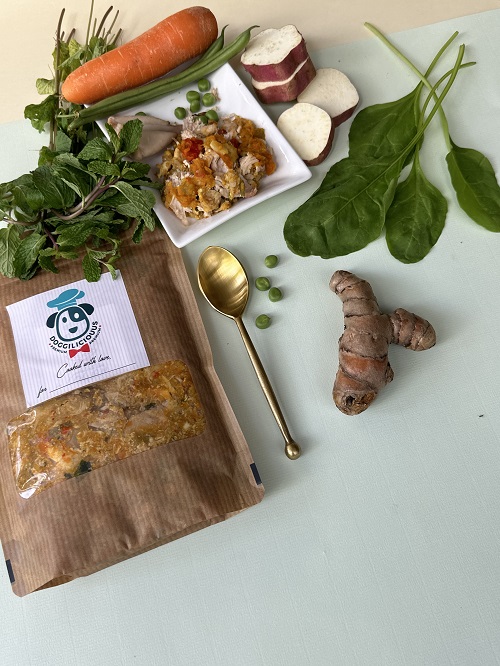
At Doggiliciouus & Rooted In Love, we focus on reintroducing ancestral wisdom and Ayurveda, supported by modern nutritional science, into everyday feeding. Our approach is:
- Always species- appropriate – rooted in what dogs are built to thrive on.
- Personalized – because no two dogs are alike, and their diets shouldn’t be either.
- Holistic – we address not just physical health, but emotional, behavioral, and gut- brain wellbeing.
We see ourselves not as disruptors, but as gentle correctors – bringing people back to what’s natural, with compassion, clarity, and care.
2. The pet food market is riddled with myths – like ‘dogs need carbs’ or ‘ultraprocessed food is essential for dental health.’ Which myth frustrates you the most, and how do you dismantle it with science and holistic wisdom?
The myth that frustrates me the most is the one that says “ultraprocessed food helps clean your dog’s teeth.” It’s such a widely accepted belief, yet it’s completely divorced from both science and common sense.
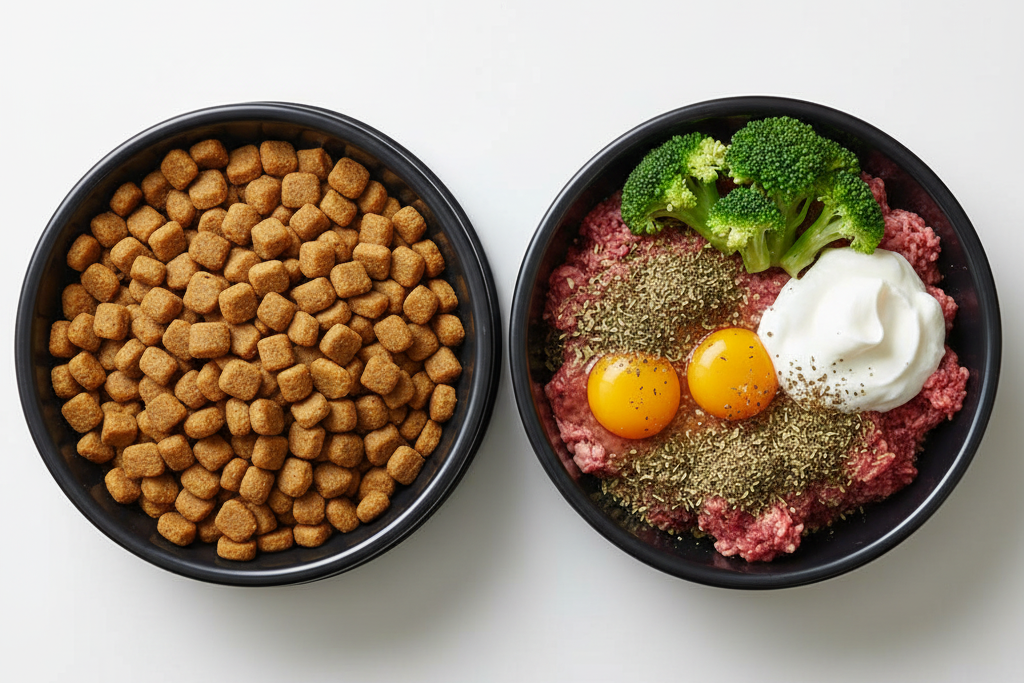
Dry ultraprocessed food is often made from high- starch ingredients that feed the very bacteria responsible for plaque and tartar buildup. The texture may seem abrasive, but in reality, it crumbles too easily to offer any real mechanical cleaning – unlike raw meaty bones, which provide natural dental benefits when used appropriately.
We dismantle this myth through:
- Education – explaining the role of diet in oral microbiome health.
- Alternatives – like dehydrated chews, functional dental treats, and species- appropriate bones.
- Empathy – because we know pet parents are doing their best with the information they’ve been given. It’s not about blame, it’s about better choices.
When people understand the “why” behind a recommendation, they become empowered to change – and that’s always our goal.

“Ultra-processed pet food doesn’t fail loudly. It fails slowly—through chronic inflammation, gut damage, and the quiet loss of a dog’s vitality.”
Manssi Karambelkar, Founder Doggiliciouus
3. Holistic wellness is at the core of Doggiliciouus. What’s one unconventional practice or ingredient you champion that the commercial pet food lobby would scoff at, and why does it hold transformative potential for canine health?
One practice I strongly believe in – and that often raises eyebros in commercial circles – is rotational feeding.
The conventional pet food model is built around repetition: feed the same ultraprocessed food , day in and day out, for years. But in nature, dogs are opportunistic eaters. Their diets change with seasons, availability, and instinct. By rotating proteins, ingredients, and formats (raw, gently cooked, dehydrated), we not only prevent nutritional gaps and intolerances, but we also strengthen the gut, build resilience, and keep mealtimes exciting.
Commercial pet food companies often discourage this because it challenges their product loyalty model. But when done mindfully, rotational feeding is one of the simplest and most powerful ways to nourish the whole dog – body, mind, and microbiome.
It’s not a trend. It’s how nature intended.
4. Ultra- processed commercial foods are silently wreaking havoc on India’s dogs. What’s the most insidious harm you’ve witnessed – be it physical, behavioral, or emotional – and how does your brand expose this ticking time bomb?
One of the most heartbreaking patterns I’ve observed is how chronic illness has become “normal” in dogs – constant itching, digestive upset, mood swings, lack of energy – and how rarely this is linked back to what they’re being fed every single day. Ultra- processed foods often don’t cause immediate collapse, which is why they get a free pass. But over time, they quietly damage the gut, dysregulate the immune system, and trigger inflammation that affects the brain, skin, joints, and beyond.
I’ve seen dogs lose their spark. They become irritable, withdrawn, or emotionally flat – and it’s so often traced back to long- term exposure to foods that their bodies simply don’t recognize as nourishment.
At Doggiliciouus, we gently lift the veil on these realities – not to scare, but to awaken. Through consults, content, and conversations, we show pet parents what a dog looks and feels like when they’re actually thriving, not just surviving. That difference is everything.
5. Pet owners in India are woefully undereducated about nutrition, often parroting vet advice or ad slogans. What’s the single most dangerous consequence of this ignorance, and how do you plan to ignite a grassroots awakening?
For me, the most dangerous consequence of this lack of nutritional awareness is painfully clear: our dogs are living shorter, sicker, more painful lives than they should. And the tragedy is that these decisions aren’t coming from neglect – they’re coming from trust. Trust in brands, trust in clever marketing, trust in well- meaning vets who may not be deeply trained in nutrition. Pet parents genuinely believe they are doing the right thing, yet the outcome is the opposite of what they desire for their dogs.
I see dogs developing chronic diseases far too early – kidney issues, skin disorders, obesity, arthritis, emotional instability – all quietly rooted in years of biologically inappropriate feeding. When the foundation is wrong, everything built on top begins to crack.
My approach to creating a grassroots awakening is grounded in compassion, not correction. I believe people change when they feel supported, not judged. So I focus on simple education, clear explanations, and empowering parents with the understanding that they can choose better when they know better. The more we demystify nutrition, the more we return health back to the dogs who deserve long, vibrant lives.
6. India’s pet food industry lacks robust regulation, leaving dogs vulnerable to toxic fillers and false claims. What’s the one regulatory overhaul you’d demand tomorrow, and how would it reshape the landscape?
If I could wave a wand and implement one regulatory overhaul overnight, it would be this: mandatory grading of all pet food based on its species- appropriateness, processing levels, and ingredient integrity.
Much like Singapore, we need a visible, regulated grading system-A, B, C, D-where:
- A- grade food is species- appropriate, fresh, minimally processed, and built to nourish.
- D- grade food is ultra- processed, synthetic- laden, and more “feed” than food.
This one shift would be revolutionary. It would instantly expose how the majority of products sold in vet clinics, pet stores, and supermarkets fall into the C or D categories. And it would force both brands and consumers to confront the truth: the food many believe is healthy and premium often isn’t food at all-it’s biologically inappropriate feed. I believe that parents don’t know what they are buying is ultra-processed or unhealthy. They are spending hard earned money and a system like this will allow them to choose what they spend it on.
This transparency would reshape the landscape by empowering pet parents to make informed decisions, holding brands accountable, and raising the overall standard of what we accept as “nutrition” for our dogs and cats. It’s a simple system, but it opens eyes-and once you see it, you can’t unsee it.
7. The new generation of pet owners – millennials and Gen Z – treats pets like family. How does this shift open doors for holistic nutrition, and what pitfalls must they avoid when navigating the manipulative market?
Millennials and Gen Z pet parents are rewriting the rulebook in all the best ways. They treat their dogs and cats like family. They’re emotionally connected, curious, and willing to spend not just money, but time and effort on their pets’ well- being. And they have the disposable income and digital access to seek better alternatives.
But here’s the catch: they’ve also grown up being told that dogs are a different species, and therefore they need to leave decisions to “experts” – often the very experts pushing ultra- processed products or outdated advice. So while their intentions are beautiful, the information they’re receiving is often biased or contradictory. One scroll through social media or a Google search throws them into a storm of trends, warnings, and sponsored claims.
At Doggiliciouus & Rooted In Love, we focus on anchoring this generation with one core message: go back to biology, go back to basics, go back to ancestry. Ask not, “What’s trending?” but “What’s true?” Forget who is selling the advice – ask what species we’re feeding, and what they’ve been thriving on for thousands of years.
When in doubt, we encourage looking 200 years back instead of 20. What did dogs eat before factory made feed was invented? That simplicity can often reveal the clearest path forward. And we support this not just with ideals, but with case studies – real dogs, real transformations. Because once this generation gets it right, they’ll set the tone for everything that follows.
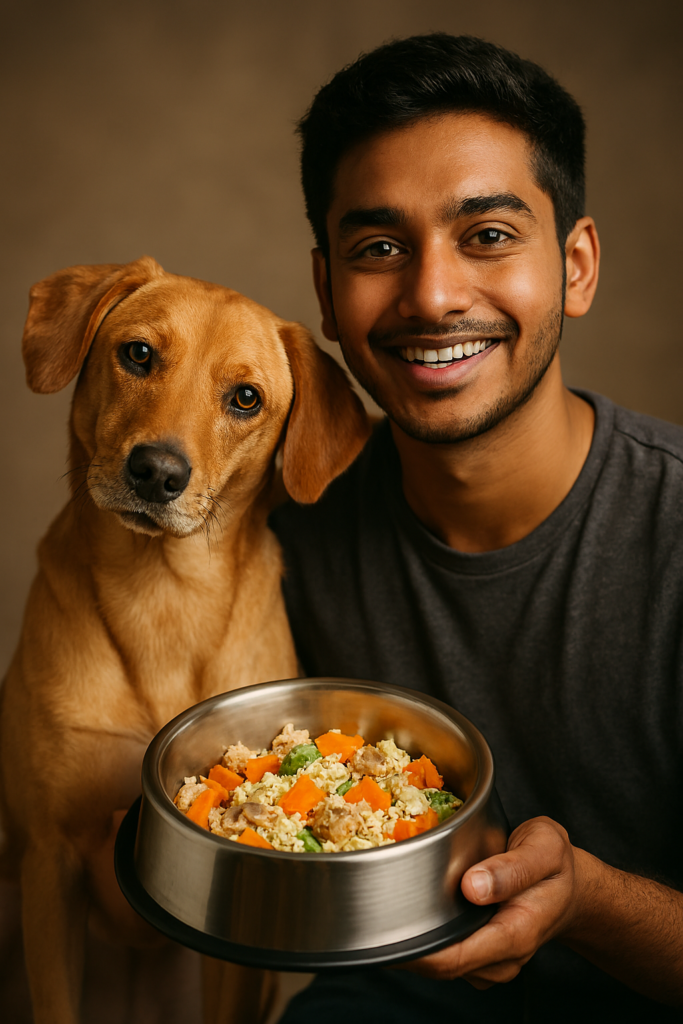
8. Challenges abound – unregulated markets, skeptical vets, and profit- driven brands – yet opportunities are endless. What’s the toughest hurdle you’ve faced as a pioneer, and how has it fuelled your vision for Doggiliciouus & Rooted In Love?
One of the toughest hurdles I’ve faced is the deep – rooted resistance to change – from both within the industry and sometimes even from the families we’re trying to help. The moment you speak a different language from what’s been normalized, you’re seen as disruptive. When that language includes fresh food, ancestral nutrition, or holistic care, you often encounter scepticism, pushback, or outright dismissal.
And the hardest part? It doesn’t come from apathy – it comes from fear. People fear getting it wrong, fear stepping away from what’s “the norm,” or simply fear being judged. Vets, too, are often caught in a system that didn’t equip them with nutritional education but placed them in a position of nutritional authority. So when someone like me steps in with a new lens, it’s seen less as collaboration and more as contradiction.
But this resistance has never derailed me. If anything, it’s deepened my resolve. It reminded me why I started Doggiliciouus in the first place: to offer clarity, not conflict. Every hurdle pushed me to become more evidence- based, more compassionate, more committed to staying in my lane and doing the work – one dog, one family, one truth at a time.
9. If you could snap your fingers and erase one toxic trend from India’s pet industry – be it a product, a marketing lie, or a systemic flaw – what would it be, and how would that ripple effect elevate canine lives nationwide?
If I could erase one toxic trend from the pet industry today, it would be the normalization of prescription ultra-processed food – especially for dogs who are already unwell. It breaks my heart to see dogs on it when it’s the WORST thing to be going into a sick body.
These products are marketed as therapeutic, clinical, even life- saving. But in truth, they are highly processed, often packed with low- grade ingredients, synthetic additives, and inflammatory fillers. They may manage symptoms in the short term, but they do little to support actual healing or long- term vitality. In many cases, they prolong suffering or create new issues altogether.
If this trend were erased – even just awareness raised about what these foods truly contain – we would see a ripple effect across the entire industry:
- Vets would need to engage more deeply with nutrition science, not just pharma training.
- Pet parents would begin questioning, researching, and asking better questions.
- Brands would be pushed to develop genuinely therapeutic foods rooted in nature, not synthetic convenience.
This single shift could return the power to the hands of those who love their dogs most. It would move the industry from reactive treatment to proactive wellness – and that’s the revolution we’re here to support.
10. Vegetarian pet diets are gaining traction in India due to cultural preferences, yet dogs are carnivorous by nature. How do you navigate this clash, and what’s your stance on the feasibility of plant- based nutrition for canines?
This is one of the most sensitive yet important conversations I have with families. It’s not easy to talk about food and belief in the same sentence – but we must. The reality is that dogs are facultative carnivores, and biology doesn’t bend for belief.
Most vegetarian or vegan pet parents I speak with genuinely love their dogs and want to do the right thing. But in many cases, they’ve been told – or read somewhere – that plant- based diets are “perfectly okay” for dogs. And because that aligns with their personal values, they accept it without questioning further. It suits them. It feels convenient. And the human mind tends to stop investigating once it finds comfort.
But nobody has sat them down and actually explained the biology, the science, and the impact. No one has pointed out the simple but massive difference between “okay for dogs” and “amazing for dogs”!!! The dogs are usually already unwell, and the conversation comes from concern. That’s the moment where, with care and compassion, I hold up the truth.
Yes, wild dogs and Indian street dogs survive on what they get. But let’s be honest – they’re not thriving. They’re not glowing with health. Many die young. Many live in constant inflammation and distress. And nobody’s tracking their health outcomes across years. Using them as proof of a successful vegetarian or scavenger diet is, frankly, a weak argument. And its suitable only if you don’t want certain health and longevity and wellness outcomes.
When street dogs are given even slightly better food – a few eggs, some chicken, anything animal – based – their health visibly transforms. So what does that tell us?
It tells us that if you’re here, if you’ve sought my help, it’s because you want healing, not just survival. You want energy, joy, strength, longevity. And for that, we must feed in alignment with their biology, not our belief.
When I speak to vegetarian families, I never shame them. I simply ask: Are you protecting your values, or are you protecting your dog’s health? Because those are not always the same thing.
It may feel kind to feed plant – based. It may feel ethically clean. But when we apply human ethics to a carnivorous species, we are compromising the very ethics we’re trying to uphold.
That’s the hard truth – shared gently, but clearly. And when framed with honesty and love, I’ve never had a family turn away from it. Because once they see the difference real nourishment makes, they never go back.
11. Progressive diseases like cancer, obesity, joint diseases, diabetes and kidney failure are skyrocketing in dogs. How much of this do you tie to nutrition trends shifting away from natural diets, and what’s one radical dietary pivot you’d recommend to halt this epidemic?
I tie almost all of it to nutrition, lifestyle, and environmental shifts – barring genetic faults like poor breeding practices. The rest is, in many ways, self- inflicted. We’ve disconnected from nature, from biology, from common sense – and our dogs are paying the price.
Look around – we’ve normalized feeding ultra- processed pellets to dogs two or three times a day for their entire lives. And we’re doing the same to our children. Breakfast cereals, instant noodles, packaged snacks – it’s all the same blueprint: convenience over health. We don’t even see it as odd anymore, because it’s everywhere.
So when a dog develops cancer at six, or arthritis at four, or obesity by age two – we think it’s bad luck, bad genes, bad fate. But this is not random. This is the biological backlash of disconnecting from evolutionary truth.
Now, if I had to recommend one radical pivot? Just one? It would be this:
For one month – just one month – eat only food made at home. That includes you, your kids, your parents, and your dog. No processed snacks, no packaged foods, no synthetic supplements. Just fresh ingredients, prepared by human hands.
You don’t even need to calculate macros or aim for perfection. You will still feel the shift. And if enough people did this – even just as an experiment – it would change the way we think about food forever.
12. Pet brands increasingly rely on social outreach – Instagram reels, giveaways, hashtags – to sell their story. What’s the hidden upside of this trend, and where does it go horribly wrong for canine health?
Social media has incredible potential to educate. It gives small, authentic brands like ours a voice – a way to reach people directly, to provoke thought, to start conversations that matter.
But the danger lies in how easily influence can be bought. Many influencers are promoting products in exchange for money – not knowledge, not personal experience, and certainly not with long- term outcomes in mind. Gimmicks get glorified while real education struggles to go viral. And the pet parent pays the price – often without realizing it.
At Doggiliciouus & Rooted in Love, and under my own name, we take a different route. We spend over 80% of our content output on pure education, intentionally planned around seasonal relevance, common problems, real solutions, and thoughtful provocations. Our goal is not just to speak – but to serve.
Small, ethical brands may lack agency budgets – but we have integrity. And with it, we can still create change, one post at a time.
13. Professional canine nutritionists remain underrecognized in India’s pet care ecosystem, overshadowed by vets and commercial brands. Drawing from your own journey, what concrete steps or path would you advise aspiring nutritionists to follow to become recognized and successful in this field?
I have walked this path from the ground up – fully bootstrapped, often misunderstood, and guided entirely by purpose. So to any aspiring canine nutritionist, I’d say: recognition doesn’t come first. Credibility does.
Here’s what truly builds a meaningful, lasting career in this field:
Get certified – but don’t stop learning once the course ends.
Nothing I do today came from that first course alone. Everything was learned, unlearned, questioned, deepened, and rebuilt through constant exposure, research, and experience.
Work with real cases.
Books and studies are valuable – but you must question them. Learn how to read beyond the abstract and apply insights in real life. Nothing teaches like sitting with families and solving real problems.
Show up consistently and craft your own voice.
Define your brand identity early. Understand your archetype – are you a caregiver, a sage, a creator? Build consistency into how you show up, speak, and support.
Build trust, not just visibility.
Document your case studies. Let your results become your resume. Let families become your advocates.
Never forget your why.
Your “why” is what people feel before they read your words. Let it shape everything. If your work is rooted in genuine care, your impact will outlast any trend or title.
We are a growing force in India’s pet care landscape. And if we raise the standard of professionals, we help families raise the standard of care – and that’s how change begins.
Social Media & Contact Info
- Instagram / Facebook: @doggiliciouus
- YouTube: @beyondthebowlwithmanssi
Website:www.doggiliciouus.com