
In this exclusive EDUPET interview, leading certified canine nutritionist and herbalist Rati Saxena shares practical, science-backed insights on pet nutrition in India. She discusses processed vs fresh diets, rising lifestyle diseases in pets, misleading food trends, regulatory gaps, and what truly supports long-term canine health and longevity. The conversation offers grounded, actionable guidance for informed pet parents.
As someone who has closely observed the Indian pet food landscape, what major nutrition trends are you seeing today, and which of these shifts genuinely concern you from a long-term wellness perspective?
Pet nutrition in India is at a crossroads. There is real progress — pet parents are more aware, asking better questions, and seeking fresh, functional, species-appropriate foods. At the same time, the market is crowded with ultra-processed, convenience-driven products wrapped in “health” messaging that can quietly harm long-term wellness.
The pet food industry is one of the fastest-growing FMCG segments, driven by humanisation and premiumisation. Pets are treated like family, and owners are willing to pay more for diets that appear scientific or premium. This has attracted global brands and large FMCG players who mainly promote shelf-stable, heavily processed foods through vets and digital channels.
Meanwhile, many urban pet parents are shifting toward fresh, customised, minimally processed meals. Raw, gently cooked, and frozen clean-label foods are gaining traction due to transparency and ingredient quality.

Functional and holistic nutrition is also rising — grain-free, hypoallergenic, joint, skin, and gut-support formulas with turmeric, moringa, omega-3s, probiotics, and collagen. While awareness is improving, many such products simply add herbs to highly processed, starch-heavy bases, which can mislead pet parents about true benefit.
A distinct Indian trend is interest in vegetarian or vegan dog diets driven by culture and sustainability. While ethically appealing, these require expert formulation, heavy supplementation, and long-term monitoring. When poorly executed, they risk deficiencies, especially in puppies, seniors, and active dogs.
There are positive changes too. Awareness of rawhide risks and low-quality fillers is increasing, pushing demand for safer chews and single-ingredient treats. Clean labels and transparency are now expected. Properly balanced fresh or minimally processed diets can significantly improve digestion, coat, immunity, and vitality.
However, major red flags remain. Ultra-processed extruded kibble is still widely marketed as “complete and balanced” despite high starch content, repeated heat processing, and formation of inflammatory compounds like AGEs. Many formulas depend more on synthetic premixes than whole-food nutrition.
Marketing terms like “grain-free,” “high-protein,” and “therapeutic” are often misleading. Replacing grains with legumes doesn’t make a diet species-appropriate, and adding turmeric or probiotics to a weak base doesn’t make it healing.
Kibble continues to be treated as the unquestioned default, and veterinary nutrition education in India remains closely linked to large pet food corporations, limiting deeper discussion about processing and long-term inflammatory impact. Pet parents are left confused by conflicting advice and influencer-driven trends.
Practical guidance should focus on balance, not extremes: choose properly balanced, minimally processed, species-appropriate diets — commercial or home-prepared. When kibble is unavoidable, select higher-meat, lower-carb options and improve them with fresh foods like meat, organs, omega-3 fish, and fermented toppers. Functional herbs should support good diets, not mask poor ones.
The future of Indian pet nutrition is not about sides — it is about informed, biology-respecting feeding within real-world constraints.

In the last few years, India has seen an influx of new kibble brands competing aggressively on price. As a consultant, how do you think this price-driven race impacts pet owners’ choices and pet health?
Price-led competition often lowers nutritional quality. When affordability is judged only by cost per kilo, pets are pushed toward ultra-processed, high-carb foods that meet minimum standards but slowly damage long-term health. The focus shifts from vitality and prevention to convenience and budget.
India’s pet food market is highly price-sensitive, especially for first-time pet parents. Brands compete with discounts, bigger packs, and “complete and balanced” claims while ingredient quality and biological suitability take a back seat. Weak regulation and unclear labels make true value hard to judge, so buyers choose what is cheapest, most visible, or vet-endorsed.
Budget kibbles usually rely on processed by-products instead of muscle meat, heavy cereal fillers, and long synthetic premix lists. High-heat processing, storage, and low moisture destroy enzymes and fragile nutrients, increasing preservative dependence.
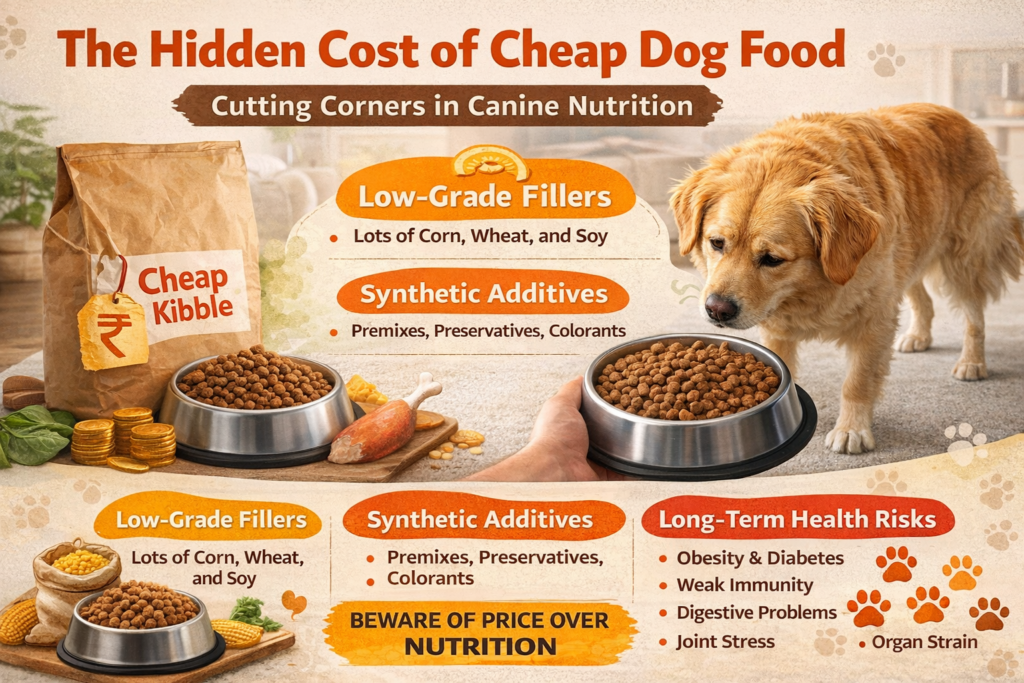
Fed as the sole diet, these foods contribute to obesity, blood sugar imbalance, gut and skin issues, joint stress, and weaker immunity. Poor fats and nutrient-thin ingredients increase liver and kidney load and reduce resilience to illness and toxins.
Species-appropriate feeding should prioritise quality animal protein, healthy fats, controlled carbs, and bioavailable nutrients. Price competition is only beneficial when it improves sourcing and formulation without harming digestibility or transparency.
From a naturopathic view, filler-heavy processed kibble raises metabolic and toxic load. The bigger danger is normalising kibble as a lifelong standalone diet instead of one tool that may need fresh food and supplement support.
The goal is awareness, not perfection: choose the best base diet you can afford, upgrade it with fresh foods, and treat ultra-cheap kibble as a compromise — not a bargain.
You’ve counselled thousands of Indian pet parents. What are the top five health conditions you see most often, and why are they so common?
The same issues appear repeatedly:
- Skin and ear disorders
- Digestive problems
- Obesity
- Joint disease
- Dental disease
These are largely lifestyle-driven — linked to ultra-processed diets, indoor living, low activity, and chemical exposure — more than genetics.
Skin and ear issues are extremely common. Processed, high-carb diets, poor gut health, antibiotics, chemical treatments, and pollution weaken immune and skin barriers. Human-style feeding and convenience kibble worsen the problem.
Digestive troubles — loose stools, gas, vomiting, constipation — are now routine. Processed foods, sudden diet changes, antibiotics, low diversity, and species-inappropriate ingredients disrupt the microbiome. Many owners rely on online advice before seeking professional help.
Obesity – is widespread and preventable. Indoor lifestyles, overfeeding, treats, and calorie-dense kibble drive weight gain, raising risk of diabetes, thyroid imbalance, joint disease, and shorter lifespan.
Joint issues – appear even in younger and smaller breeds due to poor breeding, rapid growth on energy-dense diets, excess weight, low muscle tone, and limited movement. Balanced diet plus supplements and lifestyle correction often make major differences.
Dental disease – is common in pets eating mostly processed, soft, or dry foods with little chewing and low water intake.
The shift away from fresh, moisture-rich, biologically appropriate diets toward processed foods and leftovers has increased chronic inflammation and nutrient imbalance. These recurring problems are signals that diet and lifestyle need correction — not just symptom suppression.
Why is expert nutritional guidance becoming increasingly essential for Indian pet owners? What mindset and knowledge should pet parents build first?
With more pets living indoors and leading sedentary lives, nutrition now has a stronger influence on long-term health. At the same time, diets are more processed, feeding practices more mixed, and product choices more confusing. Marketing claims and generic advice are no longer reliable. Food today can either be a daily stressor or a powerful healing tool.
Pet ownership and food spending are rising, yet many families still rely on chapati, rice, milk, leftovers, or random kibble mixes. These patterns often cause deficiencies, digestive issues, and gradual weight gain. With lower activity and higher processed food intake, nutrition now directly affects skin, gut, weight, joints, immunity, and even behaviour.
The market is crowded with terms like grain-free, holistic, Ayurvedic, premium, and vet-recommended, but regulation, labelling clarity, and basic nutrition education remain limited. That makes expert guidance increasingly important.
Mindset comes first: shift from feeding to fill the stomach to feeding for energy, immunity, mobility, and longevity. Diet is daily medicine. Consistent small improvements matter more than chasing trends. Collaboration between vets, nutritionists, and naturopaths works best, and feeding plans should evolve with age and health.
Understanding species biology is foundational. Dogs are facultative carnivores who thrive on quality animal protein and fats. Needs vary by breed, life stage, body condition, and medical history.
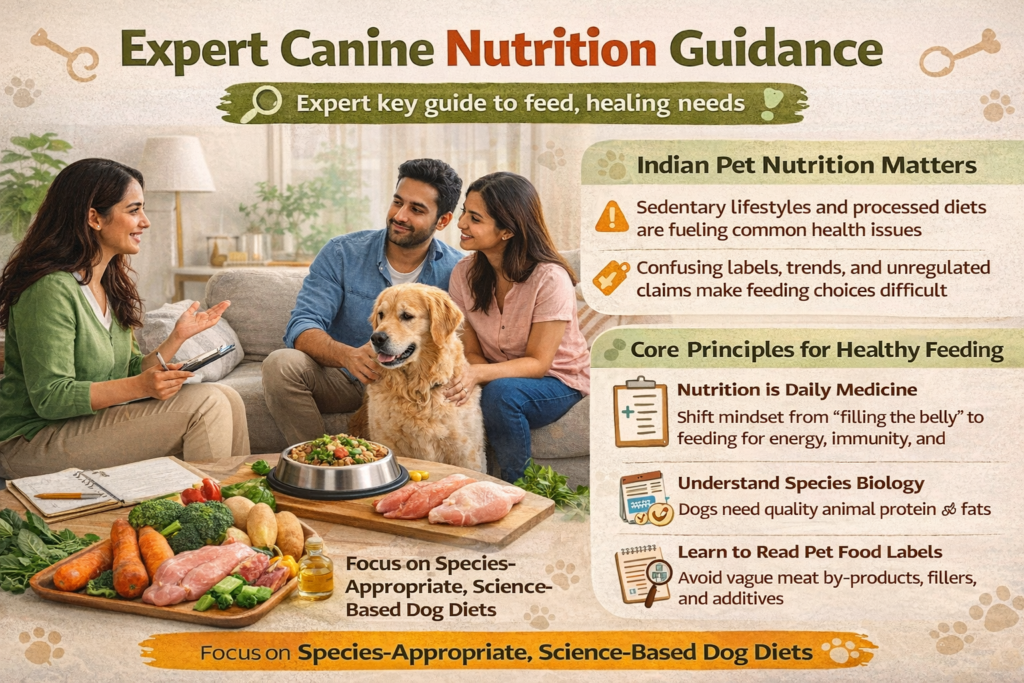
Label reading is equally critical — identifying real meat vs vague derivatives, hidden starches, and unnecessary additives while separating marketing from nutrition facts.
A resilient diet includes quality protein, healthy fats, controlled carbs, micronutrient density, moisture, and microbiome support. Fresh and gently cooked foods affect the body differently from ultra-processed dry diets, and thoughtful rotation with fresh additions improves resilience.
Supplements help only when correctly used and always on top of a strong base diet. Progress should be measured through body condition, stool, coat, energy, and lab markers — not taste preference. Changes should be gradual to protect gut and immune balance.
With this foundation, nutrition guidance becomes a long-term partnership focused on building durable health, not just choosing brands.

“Species-appropriate feeding is not a trend; it is the biological foundation of real pet wellness.” — Rati Saxena
How will the shift toward natural feeding transform pet wellness in India?
Pet wellness in India is evolving from disease response to health building. More pet parents now ask how daily food choices can improve longevity and quality of life. This is visible in the growing interest in fresh diets, functional treats, and whole-food supplements.
Fresh, minimally processed foods deliver better protein, healthier fats, and protective plant compounds that support digestion, skin, joints, immunity, and energy more effectively than carb-heavy ultra-processed diets.
Natural treats and whole-food supplements allow gentle personalisation. Instead of defaulting to medication, diets can be adjusted to support gut health, skin sensitivity, weight, and joint comfort. Used correctly, they work with the body rather than overriding it.
Pets on cleaner, biologically appropriate diets tend to show fewer chronic issues like obesity, recurring digestive upset, and persistent skin disease. When illness occurs, better-nourished bodies often respond faster to both veterinary and naturopathic care.
Urban pet parents are increasingly willing to invest in food quality and move away from one-bag feeding. Mixed feeding — combining home meals, fresh additions, natural treats, and targeted supplements — is becoming common and culturally adaptable.

Natural toppers and supplements act as small daily nutritional upgrades, making transitions away from processed diets more practical and sustainable.
Going forward, pet nutrition will resemble a wellness protocol: fresh bases, protein rotation, seasonal adjustments, and condition-specific support. Collaboration between vets, nutritionists, and naturopaths will grow, with food as the first care layer and medication used when necessary.
At its core, feeding becomes a daily act of preventive care.
Does vegetarian or vegan pet food have a justified place in India?
Vegetarian and vegan pet foods may have a limited, cautious role — but they are not universally appropriate. The key question is biological suitability and nutritional completeness, not ideology. Dogs and cats are not herbivores.
Dogs are adaptable and can survive on properly formulated vegetarian or vegan diets, but only with expert formulation, heavy supplementation, and ongoing monitoring. I generally do not recommend them as default diets. Survival does not always equal optimal thriving.
In India, plant-based feeding for dogs should be considered only with high-quality compliant products and professional supervision. Regular blood tests and body condition monitoring are essential — and often impractical for many families.
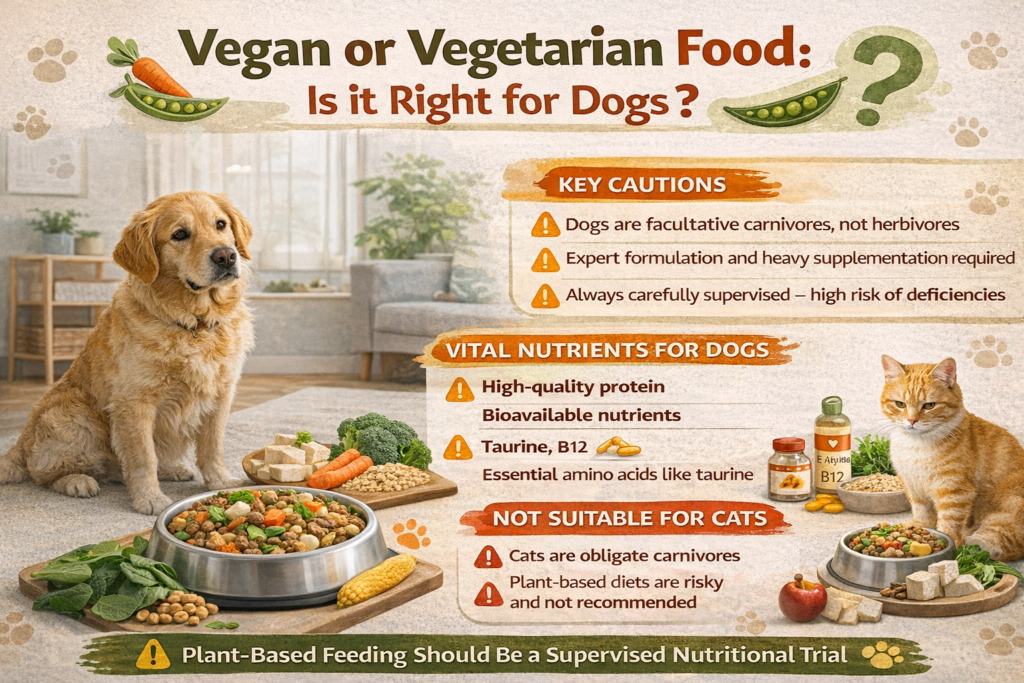
Cats are obligate carnivores and depend on animal-derived nutrients like taurine and specific fat-soluble vitamins. Plant-based diets for cats carry significant risk and are not advised.
Ethical or religious values can still be respected through responsibly sourced animal proteins and reduced food waste rather than forcing biologically unsuitable diets.
If attempted for dogs, plant-based feeding should be a supervised nutritional trial — never a casual switch or homemade experiment. True ethical feeding balances compassion with biological responsibility. Those committed to plant-based living may consider naturally herbivorous pets instead.
Is pet longevity being overhyped? What truly influences lifespan?
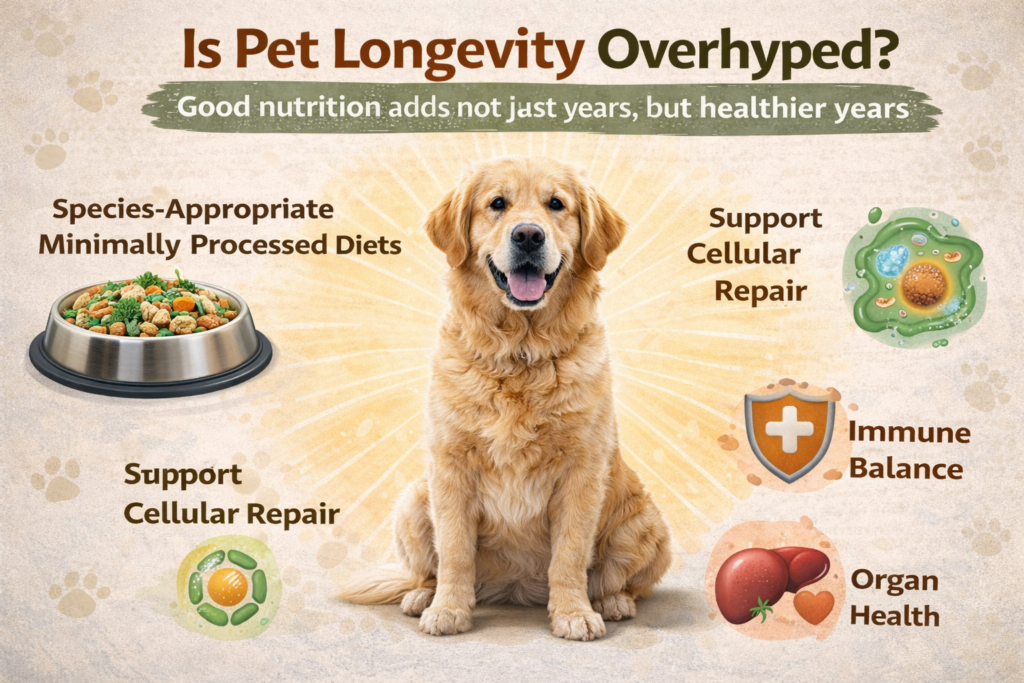
Longevity marketing often promotes miracle solutions, but longer life is built through daily fundamentals, not magic products. From both professional and personal experience, lifespan gains come mainly from nutrition, weight control, movement, and stress reduction.
Species-appropriate, minimally processed diets support cellular repair, immune balance, and organ health far better than ultra-processed foods. Good nutrition adds not just years, but healthier years.
Lean, active dogs consistently outlive overweight, sedentary ones. Regular exercise supports joints, muscles, metabolism, and heart health. Mental stimulation matters as much as physical activity. Obesity accelerates inflammation, diabetes risk, and joint degeneration.
Lower stress and reduced chemical load also slow ageing. Chronic stress, confinement, boredom, and repeated chemical exposure accelerate decline.
Shortening factors include ultra-processed diets, inactivity, repeated antibiotics, and delayed correction of small health issues.
Many anti-ageing supplements are overpromised and under-proven. Even promising longevity science cannot replace core foundations. The real formula is simple: feed well, move daily, manage stress, and correct imbalances early.
What risks does weak pet food regulation in India create?
Limited enforcement and voluntary standards allow poor practices and misleading claims to persist. Risks include hidden toxins, nutrient gaps, and chronic inflammation.
Ingredient quality is a major concern — low-grade fillers, vague by-products, and oxidised fats are common and can contribute to metabolic and organ stress when fed long term.
Without strict testing, contamination from heavy metals, mould toxins, or harmful bacteria can go undetected. Because pets eat the same food daily, exposure risk is higher.
Labels can mislead — terms like “natural” or “complete” may hide high-starch formulas and heavy synthetic premix dependence. Nutrients may degrade during processing and storage, leading to hidden deficiencies.
Stronger regulation, testing, and transparency would significantly improve safety and trust.
Does India need a dedicated pet food regulatory body?
Yes — urgently. Optional standards and inconsistent enforcement leave too much room for unsafe products. A dedicated regulator should enforce nutritional and safety benchmarks, ingredient transparency, processing disclosure, and shelf-life nutrient stability.
Regular independent lab testing, pre-market formula review, market sampling, and transparent recalls are essential. Labels must clearly state ingredient quality and nutritional adequacy without vague terms.
Oversight should prevent unsafe additives and unsupported claims while supporting responsible manufacturers. Regulation should also include education and fair enforcement. A proper framework would reduce diet-related disease and build consumer confidence.
How will the Indian pet nutrition industry evolve over the next five years?
Future growth will come from mindset change as much as market expansion. Global trends — fresh diets, functional nutrition, personalised feeding — will merge with Indian culture, climate, and traditional wellness systems.
Urban pet parents increasingly seek vitality, not just convenience. Dry food will remain common for cost and storage reasons, but fresh, gently cooked, frozen, and raw-style options will grow.
More owners are consulting nutrition and holistic experts instead of relying only on medication. Digital tools and subscription models are making feeding more personalised.
Functional foods and condition-specific supplements are expanding. Traditional Indian ingredients like turmeric and moringa are being integrated more thoughtfully, though sometimes still used as marketing add-ons.
India will likely develop a hybrid model — science-driven but locally adapted and accessible. If implemented responsibly, this shift can reduce chronic diet-related disease and improve long-term pet health outcomes.
For Consultations contact Rati M: 91- 7021338157 | E: consults@ratisaxena.in
Website: https://www.ratisaxena.in
Instagram: @consultrati
Know more about TOJO & DON treats and chews
Website : https://www.tojoanddon.com/
Follow on Instagram: https://www.instagram.com/tojoanddon/
About The Author